

TRANSCRIPT:
(This transcript is derived from an automated process. The video recording is authoritative.)
Russell Hall:
Well, thanks for having me here. I have to say at the start of this that everything I say will not exactly be the opinion of everybody in the Institute of Architects. So I'm going to speak as I wish to on what I've thought over the years in being an architect. So don't think we are all in agreement with what I say. So that's just a rider for me to get into trouble and keep out of it with other members who disagree with me. The subject matter is not going to be exactly as per what's down there. It's going to be my whinging over many years about what's ratchet in a lot of the regulations that control what you build. So aha, this is a pretty boring such slide to start off with 5%, but I might be viewed as a parochially belligerent Queenslander, which I'm proud to say I am.
And I do not think that what happens in the southern state should apply here. But under the National Construction Code, they actually say the requirement for the ventilation of a room is 5% of the floor area. It actually comes down from the British situation where there was 10% for light and 5% for ventilation, which is pretty stupid when you happen to consider where Britain is in relationship to Australia and the climate that we have here. I'll see if this goes the right way.
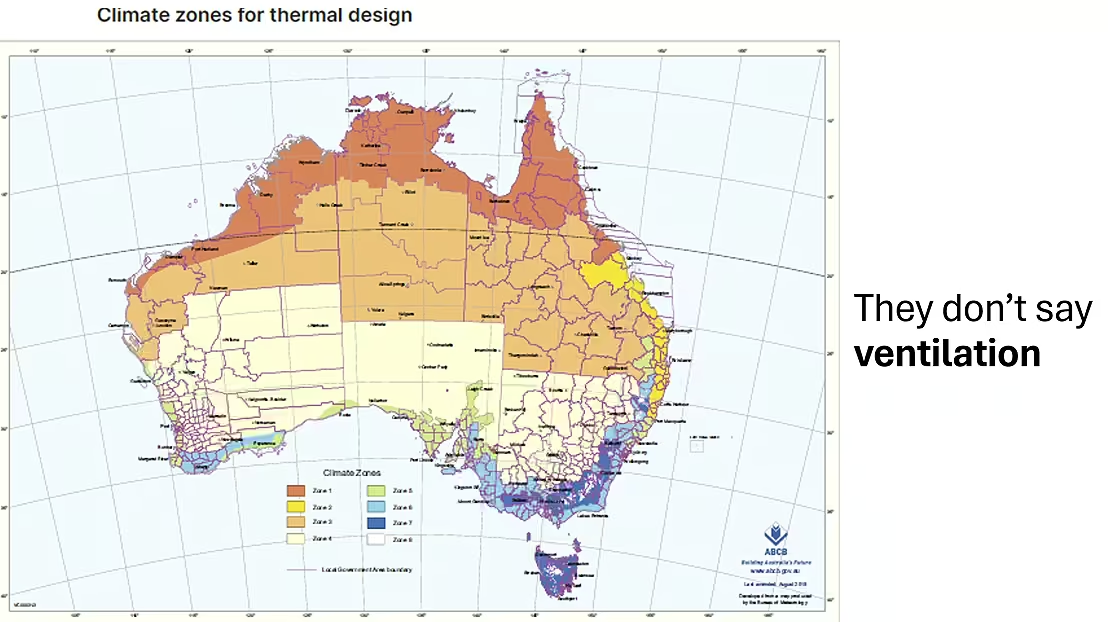
Under the National Construction Code, they actually allocate eight climate zones for all of Australia from Alpine stuff to the desert stuff, to the subtropical stuff that we got until the tropical of Darwin and things like that. But they only advocate one ventilation area at 5%. So they would say a house down at Hobart is 5% ventilation area and one up at Darwin is 5%.
It is that idiotic.
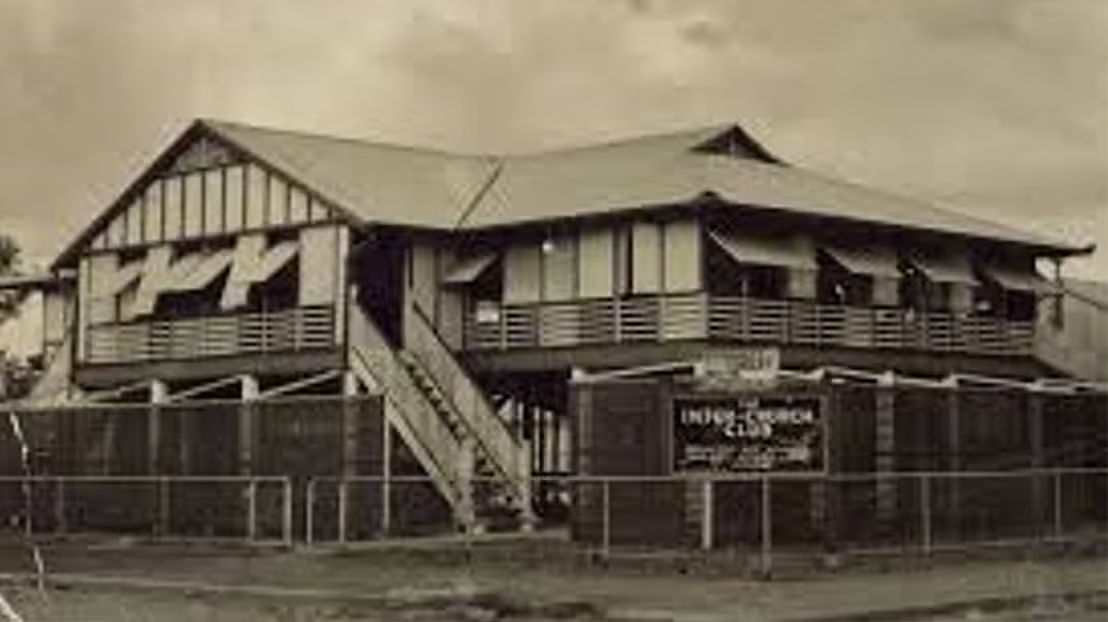
That would be a house which was done before air conditioning in Darwin when they could have lots of air movement moving through it. And now you find that the National Construction Code is based on insulation. Everybody owning an air conditioner. I live a 100% un-air-conditioned life and I have for most of my life and I don't feel that I'm suffering. And then my son's an animator, so I got him to do some cartoons for me. And so this actually applies to how I feel about the National Construction Code. This happens to be in Tim Quinn's time as mayor. The cockroach is Bob Carr, the Mexican is Bracks, and then the other one's about, well, what about the world order?
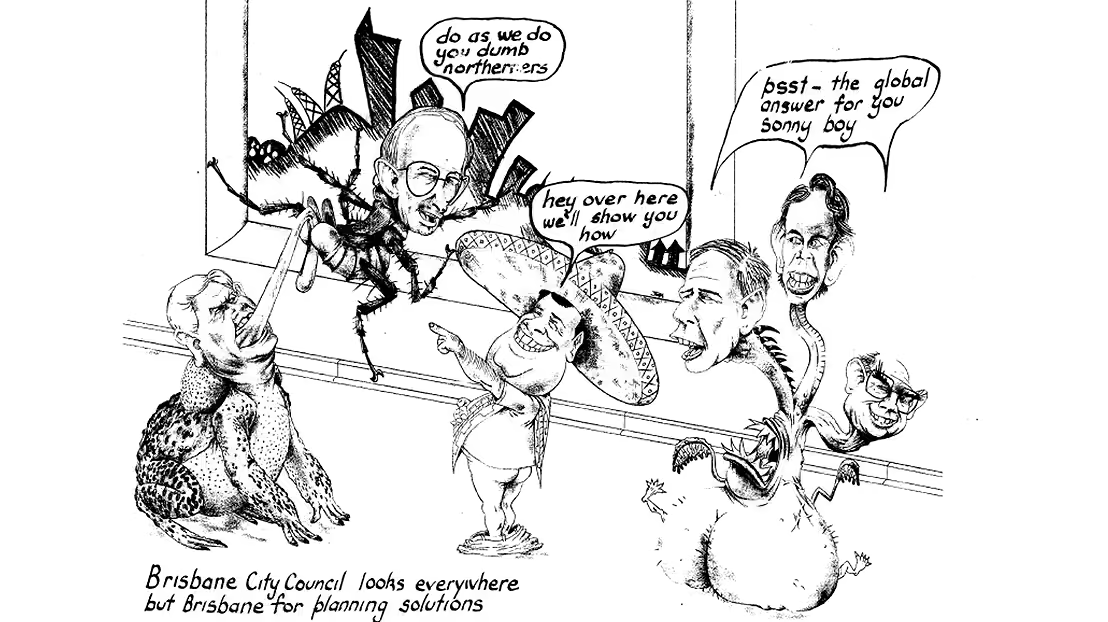
So I'm a believer that what we should construct here should be visually different for solving the different problems that we have to address here in a different climate.
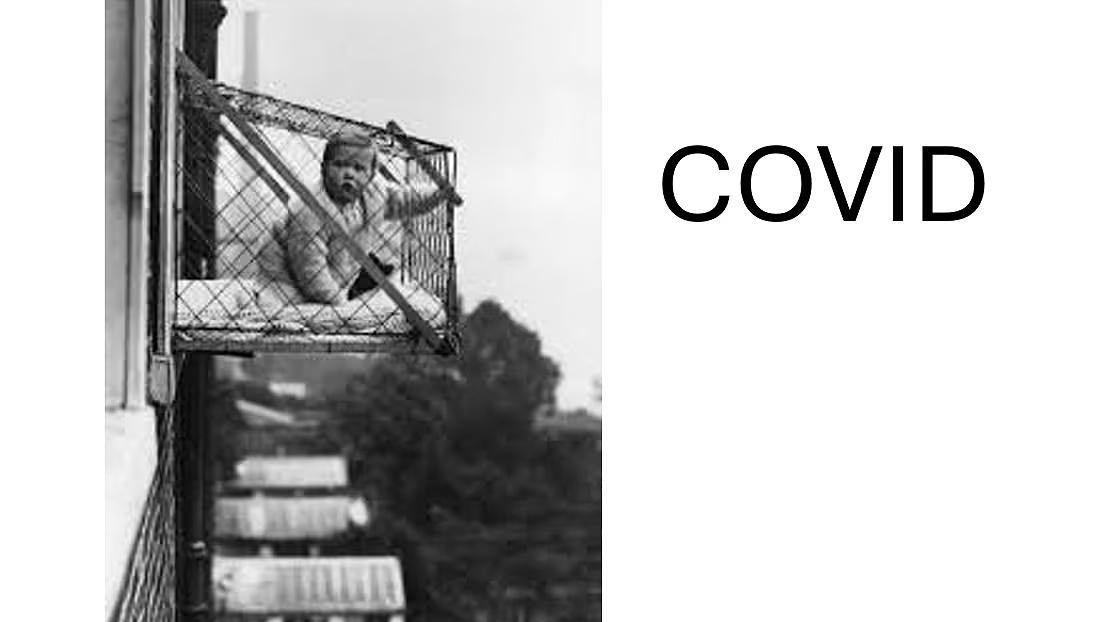
And then when I think about 5% ventilation, there's this old photograph from heaven knows where, I think from the states, so many stories above. And they viewed that ventilation was good for the health of a little child. And then you may well remember the COVID when Dr. Lydia Moroska said she wouldn't go into places because the ventilation was so rat shit, which is a situation of air conditioner, a reverse cycle air conditioner where it just split system air conditioner where you just circulate the same air within the house. I had to put this up since Scott's talking.
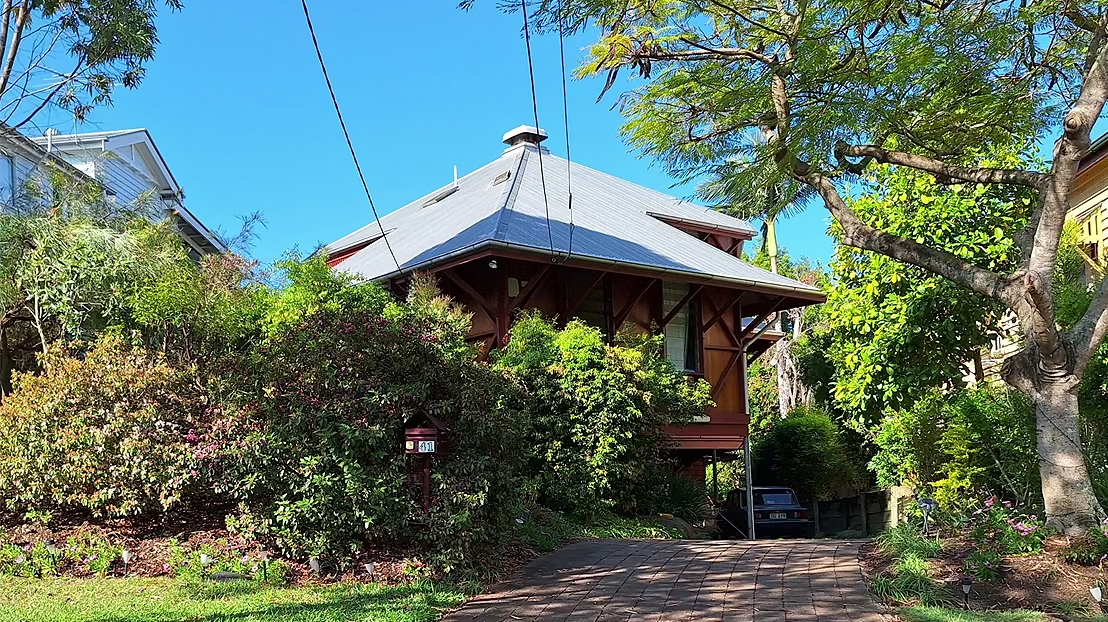
I did this house for Scott, I think in '84 I designed this house and I've put him and his family on a path of suffering ever since, since I have applied none of the modern day techniques to make a house survivable.
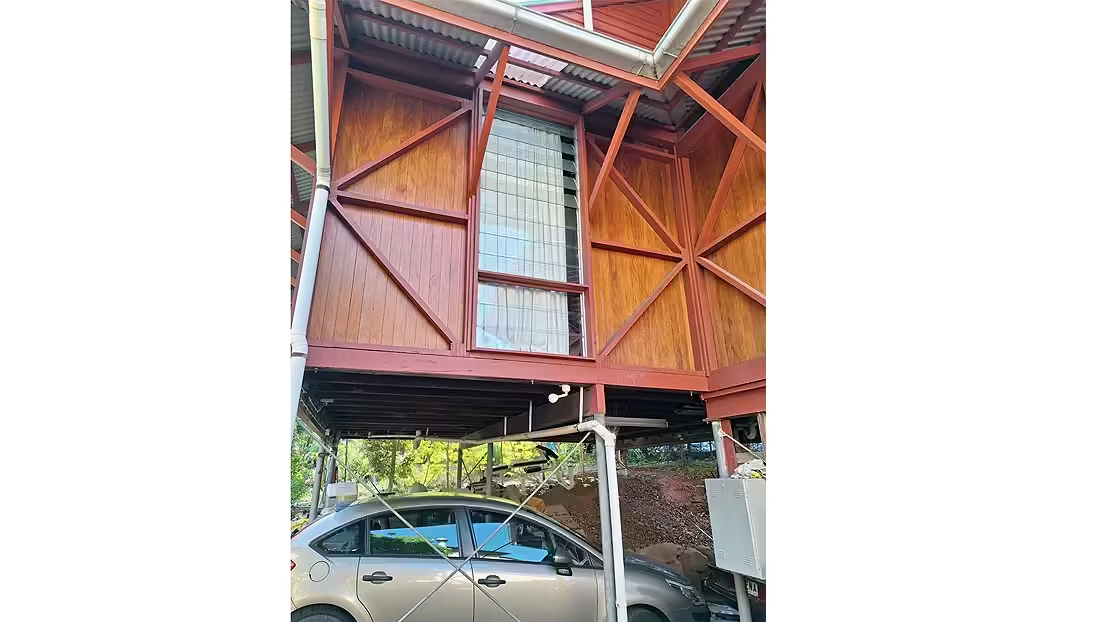
He has plentiful ventilation. The louvre areas are much more than 5% because I think ventilation is a very helpful thing in this climate. There's plenty of overhangs. And the other thing that is really stunning about the National Construction Code, it says the ventilation area is based on the area of the window sash. So you can have a window sash installed and it can open two millimetre and you've achieved the 5% ventilation area. When it comes to the light, it actually says that the 10% area's got to be free from obstruction.
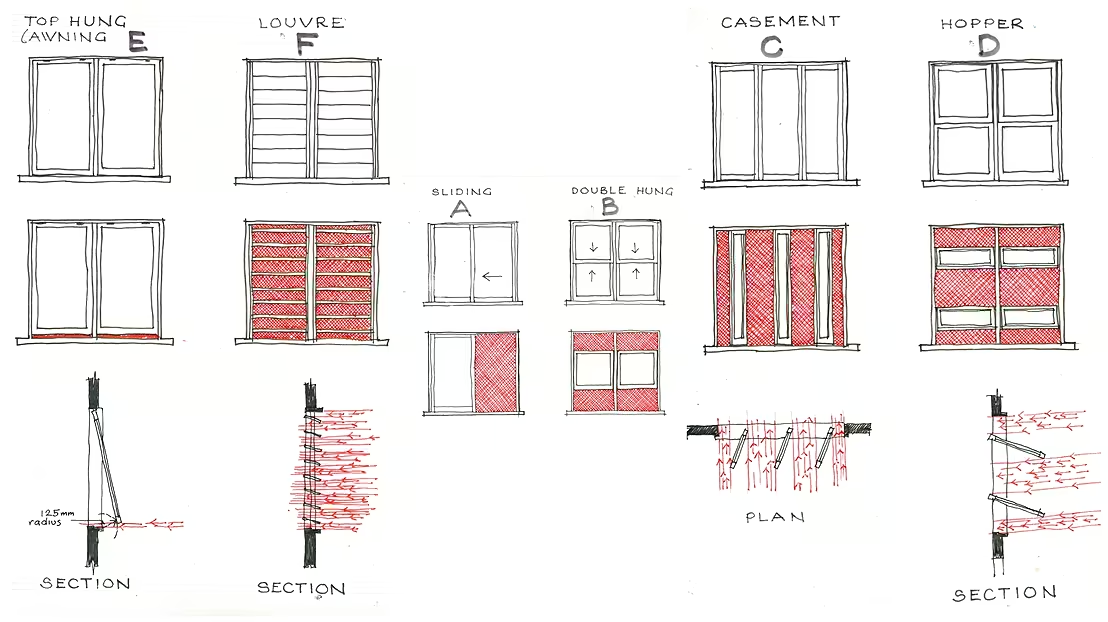
So I just did a drawing here to try and show that the air should go straight through and that the actual 5% should be a clear access of air through the window, but it isn't.
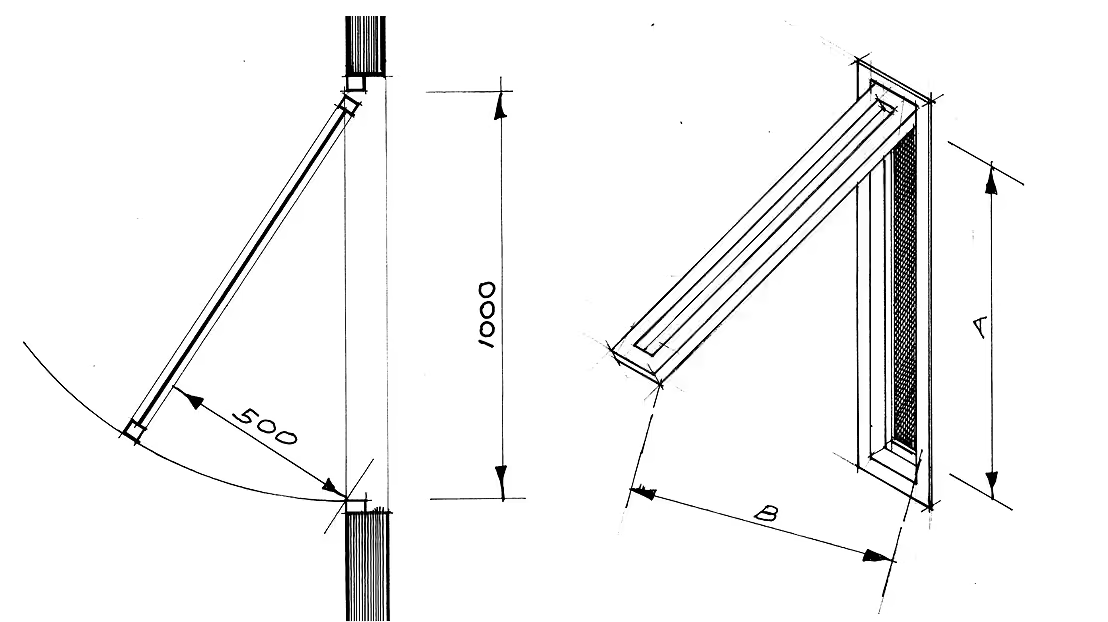
And then if somebody wants to include the side of the window, well, I can be a bigger spiff as anybody else. I would then come up with a window like that, whereas the window is very thin, but there's a lot of thing on the side. So if you were to calculate the true area, you'd make it square on at 90 degrees.
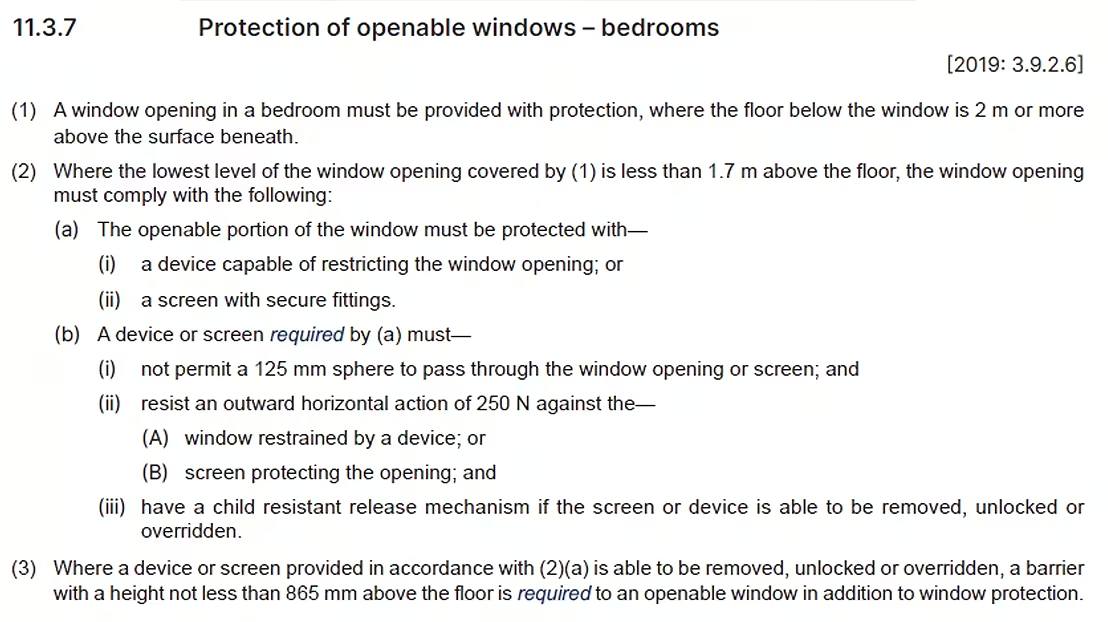
Then in 2013, I think they came up with a child safety situation where the window in a bedroom can only open 125 mil unless your window is 1700 above the ground. So what they're saying ... So that's become what everybody does. That's why you see every building constructed. It's got a little thing hanging onto the window that only allows it to go 125 mil.
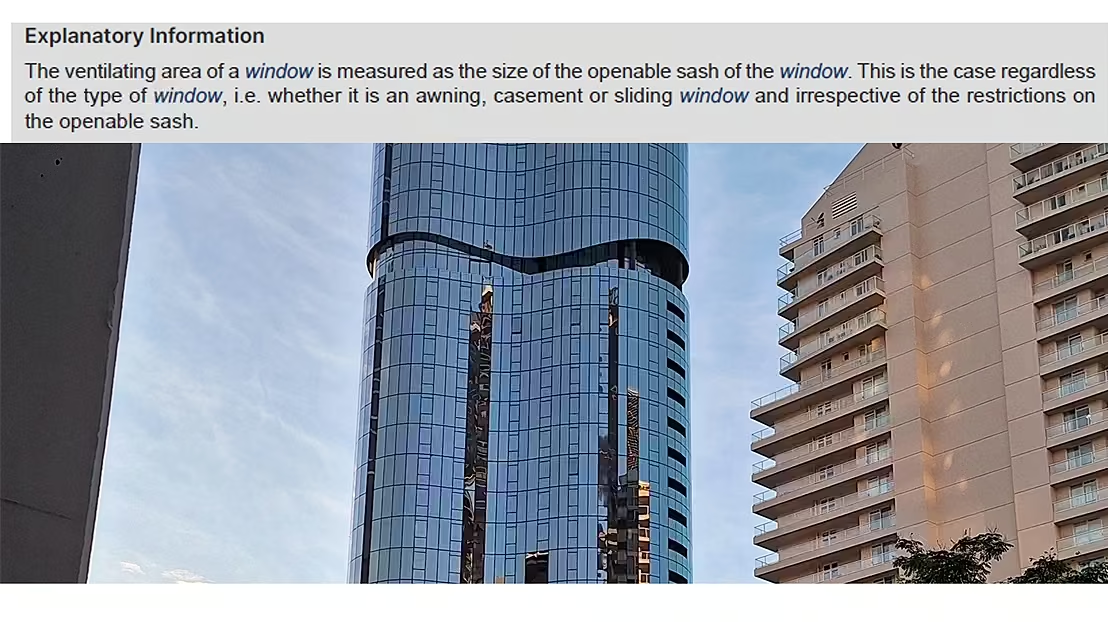
I thought I'd put up some of these classic new shiny high rises. I call them 'bare ass glass' buildings.
And you can see up here, that's the window. So that's all you will open in a bedroom.
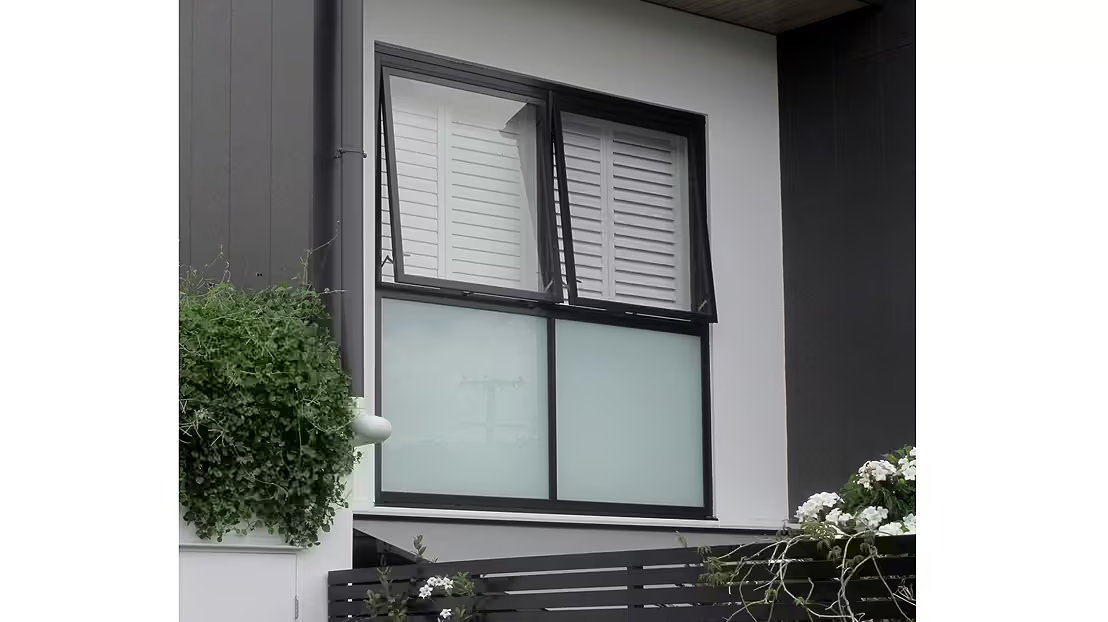
That's an example of that applied to another building. So when you sit, and that's considered ventilation.
And then it made the height of this window of the floor before you have to do that, it said it can only be two metres above the floor. So all of these old houses that many of you might live in where you got at three metres up, you parked the car under, all of your bedroom windows are illegal now, illegal. Now they're not running around and asking you to close them. You can all happily live in your house, but any Newcomb house constructed cannot.
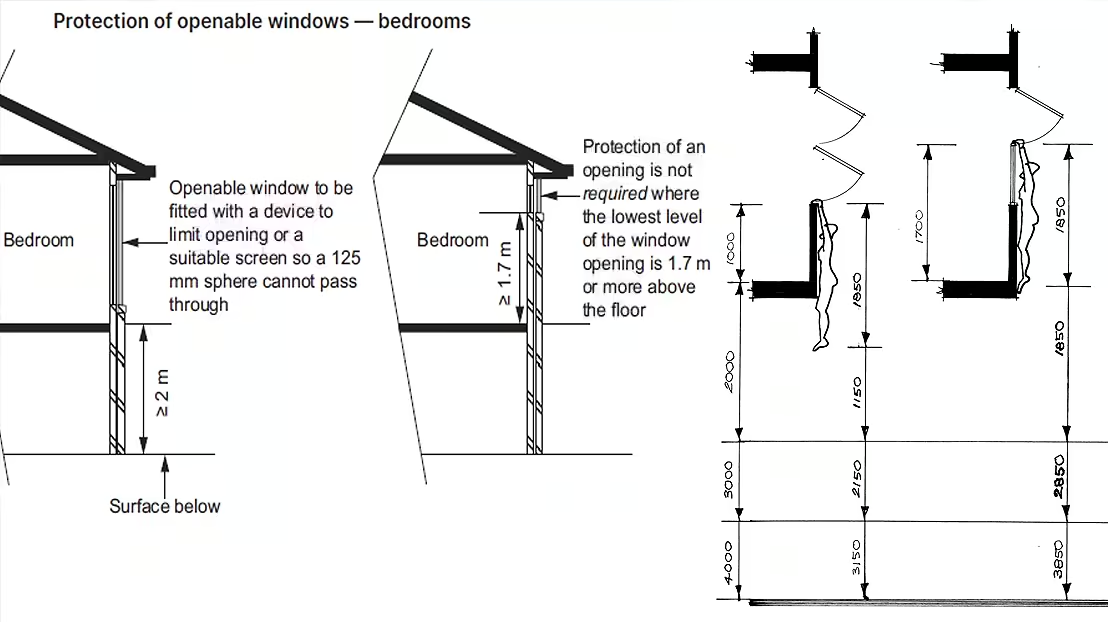
I just did this little drawing here. This is an example where they say, if you go 1700 above the ground, I was just saying, if you're 2000 and you hang out the window, that's where your drop would be. And I just thought, "He's just in the area, stupid." And these things go on and an unescapable window often think about what's the situation if there's a fire in your house, how many extra people are incinerated because they couldn't jump out the window when they could have lowered themself down and maybe broke a bone or two, but survived.
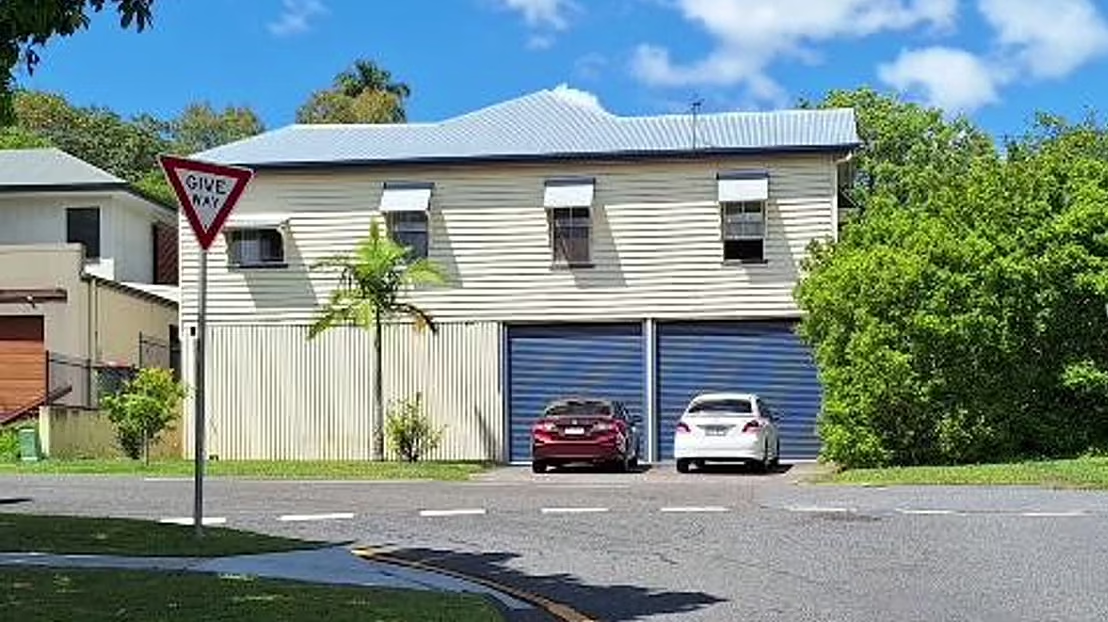
And you have to say that your grandparents, when they built these houses with a window like that, were a real baby killer. Then when your father decided to build a six pack, he decided to be a baby killer as well on this house here with the bedroom window there.
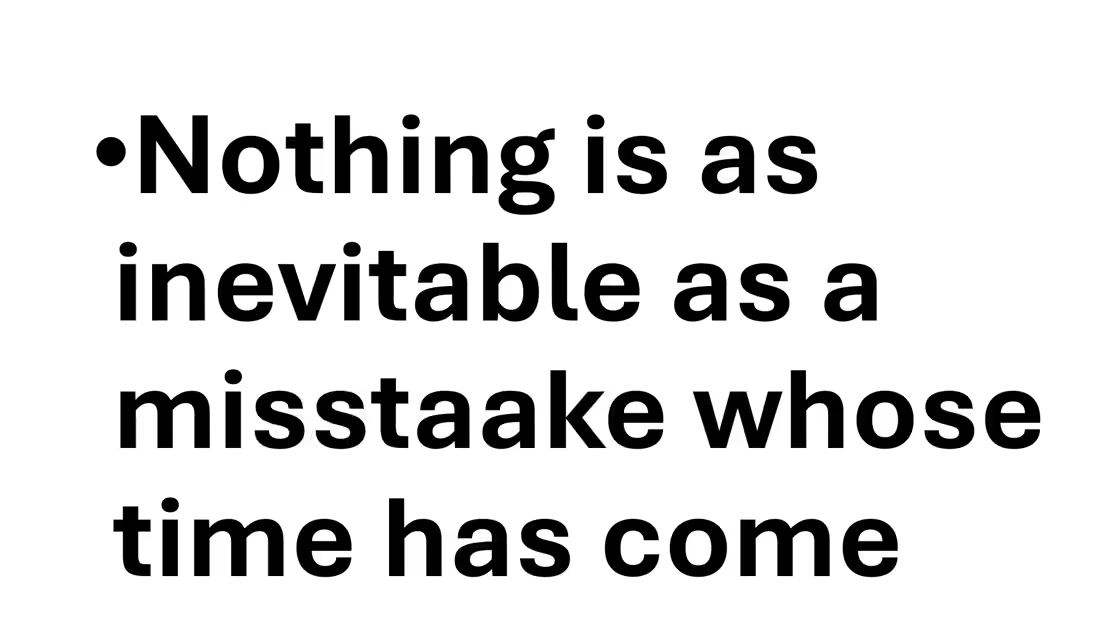
And I like these Murphy law quotes. Nothing is as inevitable as a mistake whose time has come. And I think that actually fits a lot of what we do now. And then this whole thing about the kid in fresh air.
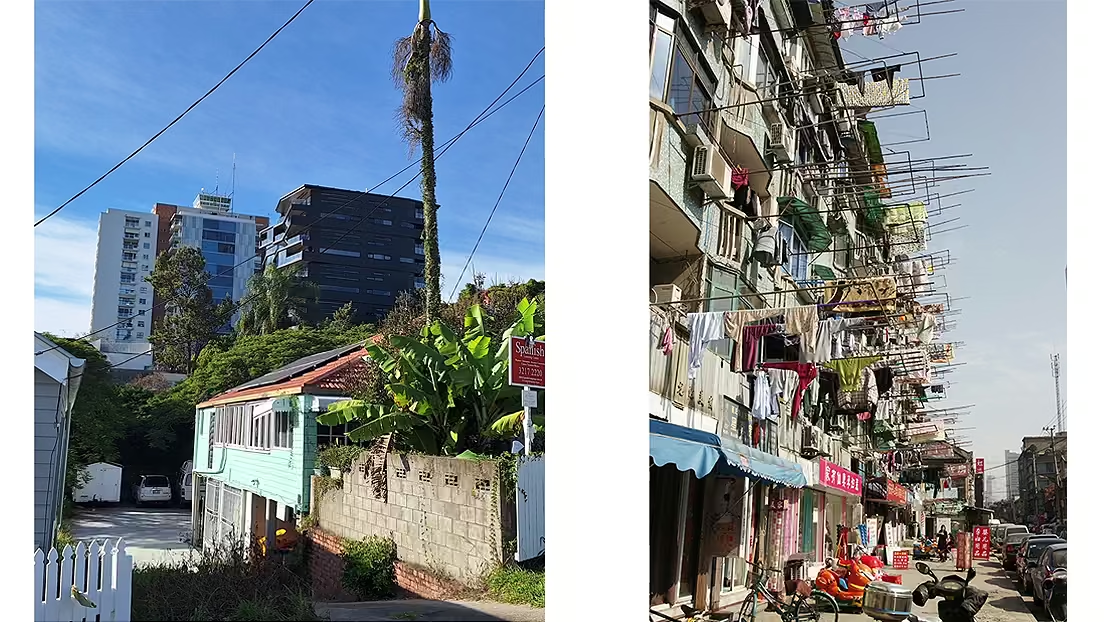
I'm going to be honest with you, I love the clothes hanging out this building over here. It looks like somebody lives there, it's alive, and you get all these body corporates now and say, "You blow your money on a dryer." And then you get the old Torbreck, that's old Torbreck up there. They actually had the clothes drying, it's done in the 60s.
The clothes drying was a coy drying behind the blue louvres because dryers weren't purchased by everybody. So you get this bullshit net zero people going around living these apartments and that all have dryers. When you dry your clothes, I like the thought of the ultraviolet sanitation of my undies in the sun.
And then you have a movement which is coming along now, which is called Passivhaus, which came out of Germany and that's becoming popular and it's becoming inflicted upon us here in Queensland. And so people down the Southern states think what it's about is they say, "We have a highly insulated house." And then they actually ask the house to be air pressure tested so that there's no leaking there because everybody's going to have what they call HVAC, heating, ventilating, and cooling, which just means everybody have an air conditioner.
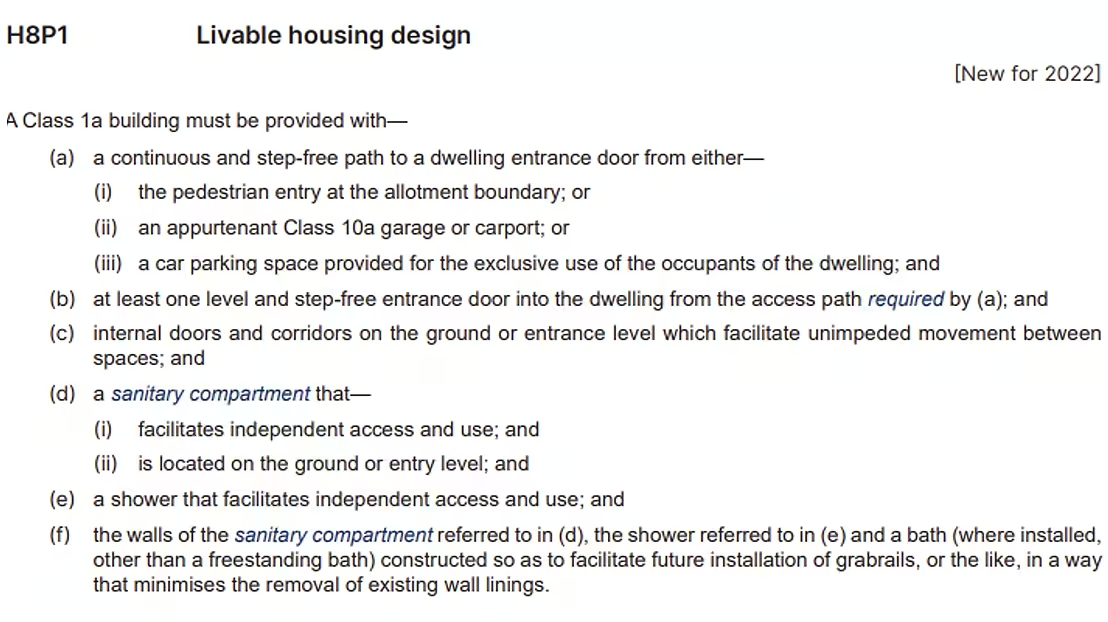
Then you get added into all this stuff as what we call livable housing design. So if you choose to build a house up on stumps, and I'm saying, "Let's make the stumps, I don't care how you are, three feet and 10 foot," then you now have to put a toilet on the lower level for disabled access or what they call livable housing.
So if you're in the poverty not too wealthy, then you have to blow the dough on that, put a toilet downstairs, and they say that's livable housing. The builders have complained about it, so it just adds to the cost. And I think there's so many means to lift the person up that you add a lift if you need it, escalators can go up a stair. Is it reasonable to think that? And the other thing that goes in my head, that just means everybody's living in a slab on groundhouse and you have to go down to the step machine at the gym.
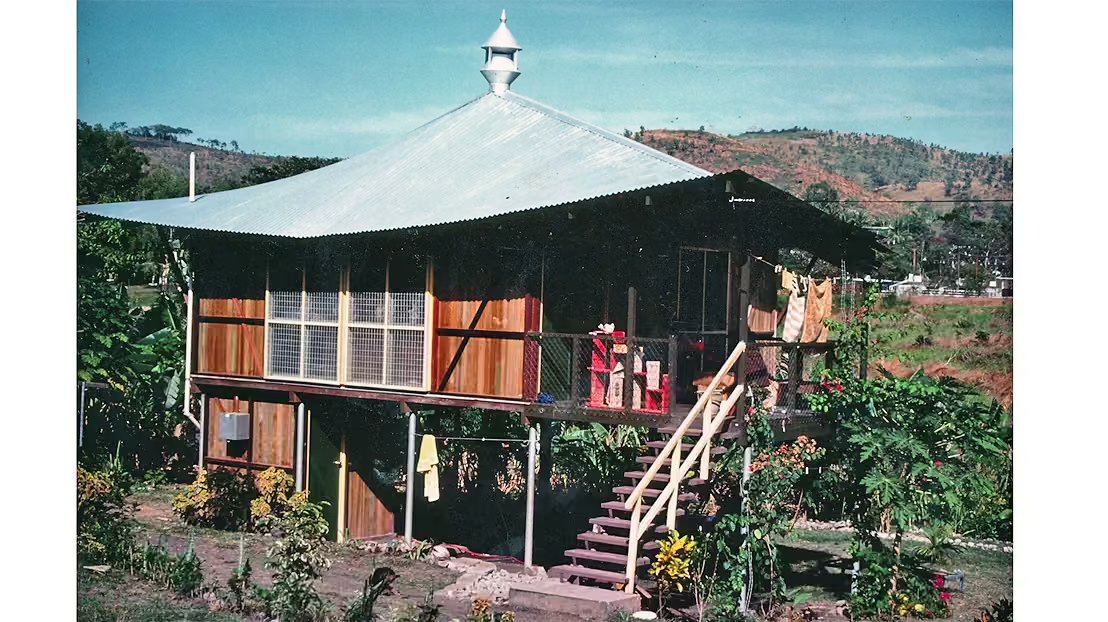
I worked in Papua New Guinea in the housing commission for four years. It was absolutely a great job. And so we did houses at the minimum cost, and so that was a high set one.
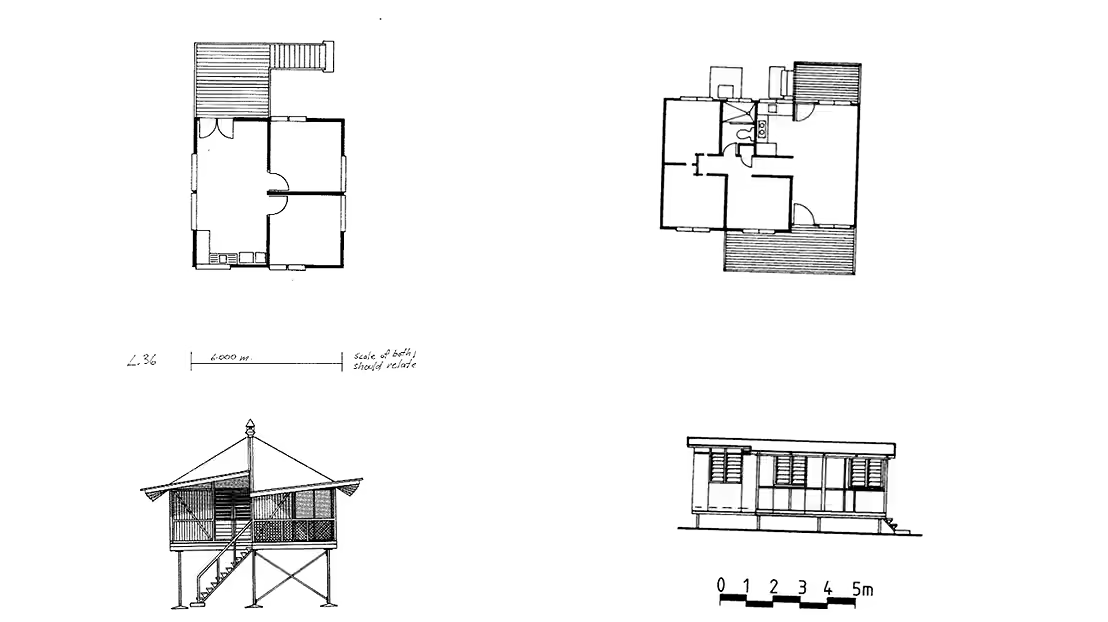
And then they actually did a house like this, which is a shrunk house here. That house is 35 square metre. So if you could imagine the wall was there seven foot, two 100, and I thought, why would you put a dicky little house like that on short stumps? And so I did this one here, which is 36 square metres, put the toilet under and lifted it up, which was the one I illustrated before with the bit that the people have got a place underneath the house, twice the area in which they can participate in activities. And I think this about these small lot, 300 square metre sites where you get a slab on groundhouse, the person is doomed.
They cannot extend the house because they've got no yard to extend it. If they want to stay there and have extend the house, they've got to take the roof off. They've probably got to reinforce the stud work because it's too weak to add a section if they want more accommodation. When we started off with high set houses, which were a good idea.
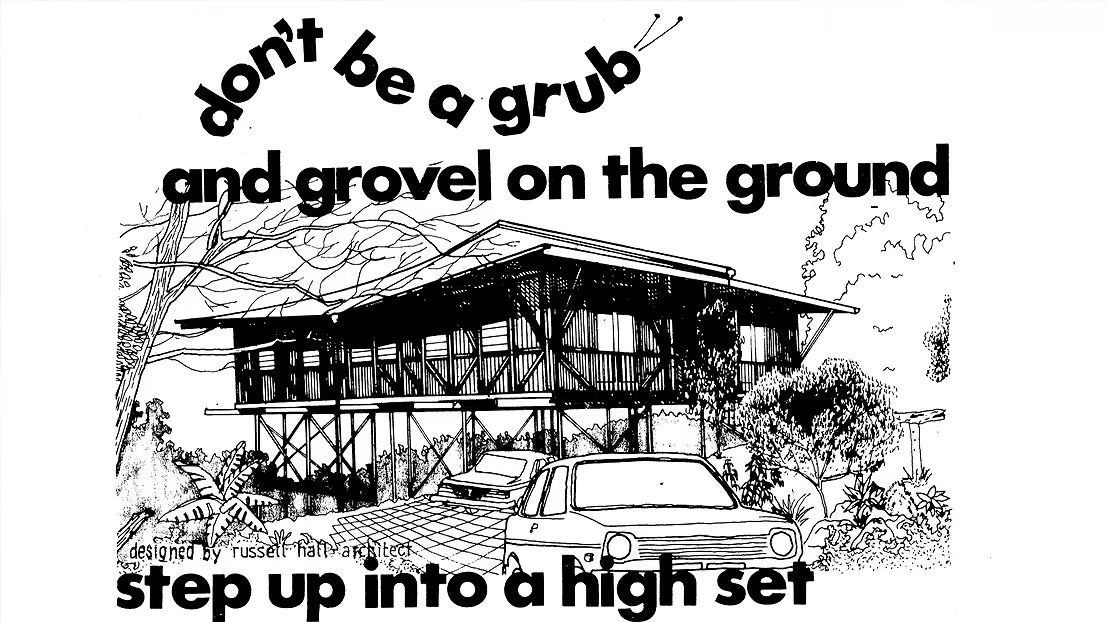
When I came back from Papua New Guinea, I'll try and promote high set houses. I thought I'd encourage people to go to high set houses they call those that live in the low set out of grub. So sorry if I've offended anybody, but you know.
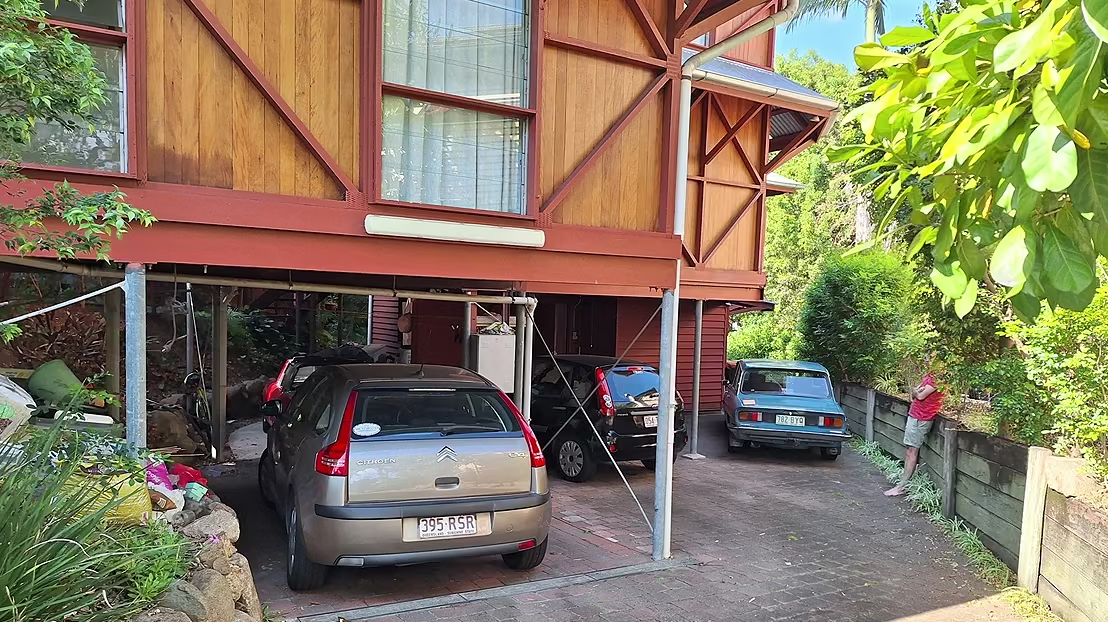
Anyway, this is Scott's house again, which was high set and his love of cars, you can see they're accommodated by this. You can park your cars under. And that's another situation of, if you've got a minimum situation, how can you allow for future potential for the people?
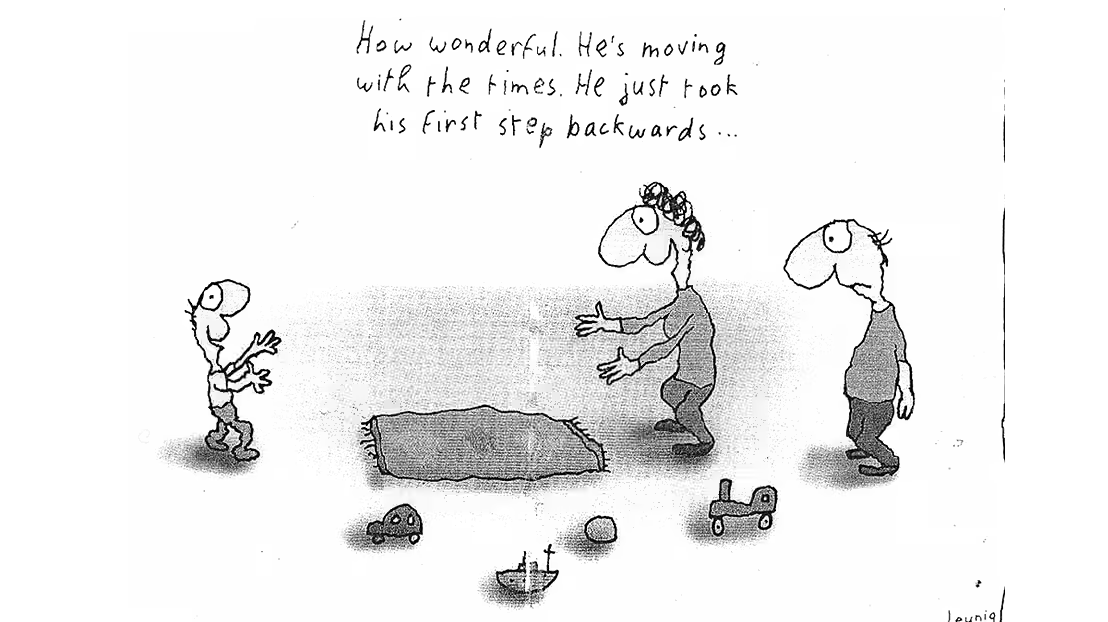
And this is a Leunig cartoon, which I totally agree with. How wonderful. He's moving with the times. He just took his first step backwards. And then I look at what the forebears did, and I think, wowee.
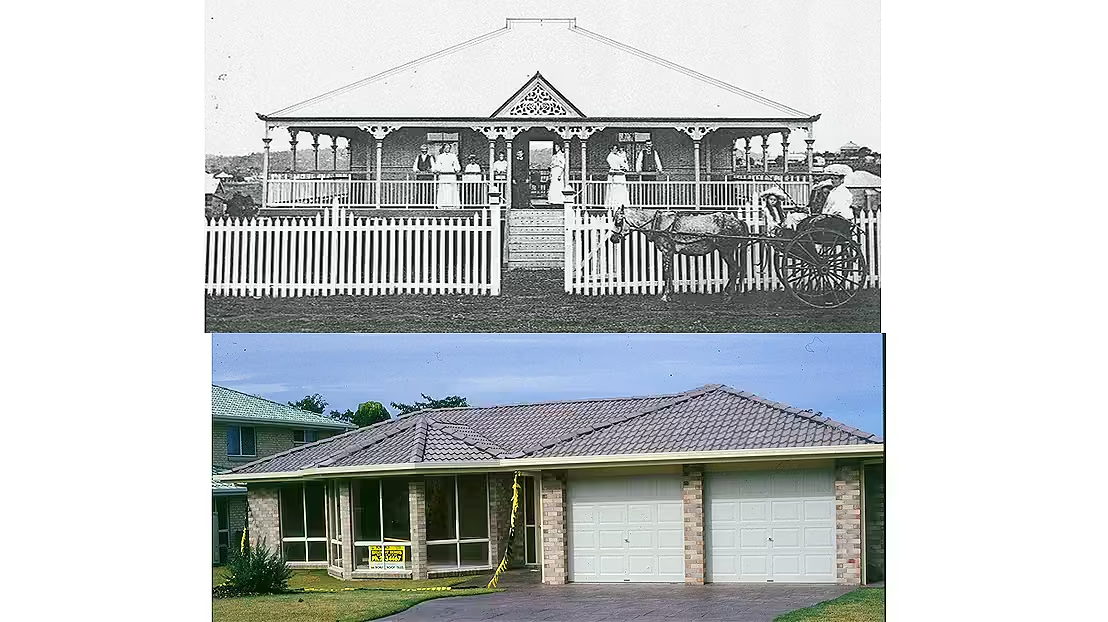
How good is that house in Ipswich? I'm quite happy to take anybody's better reckons that horse will win the Melbourne Cup.
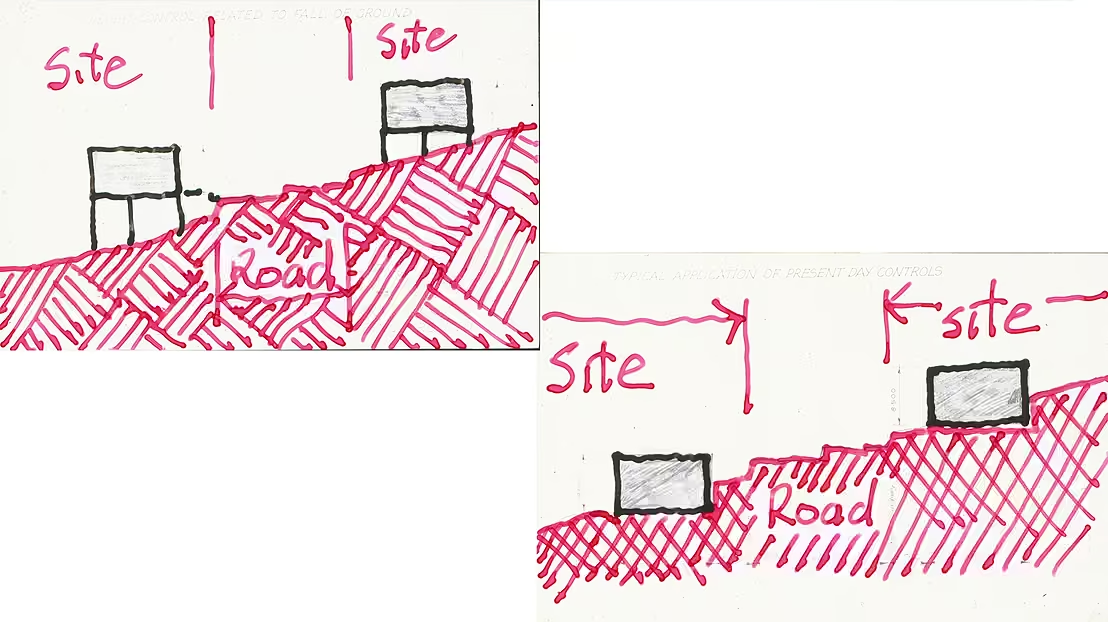
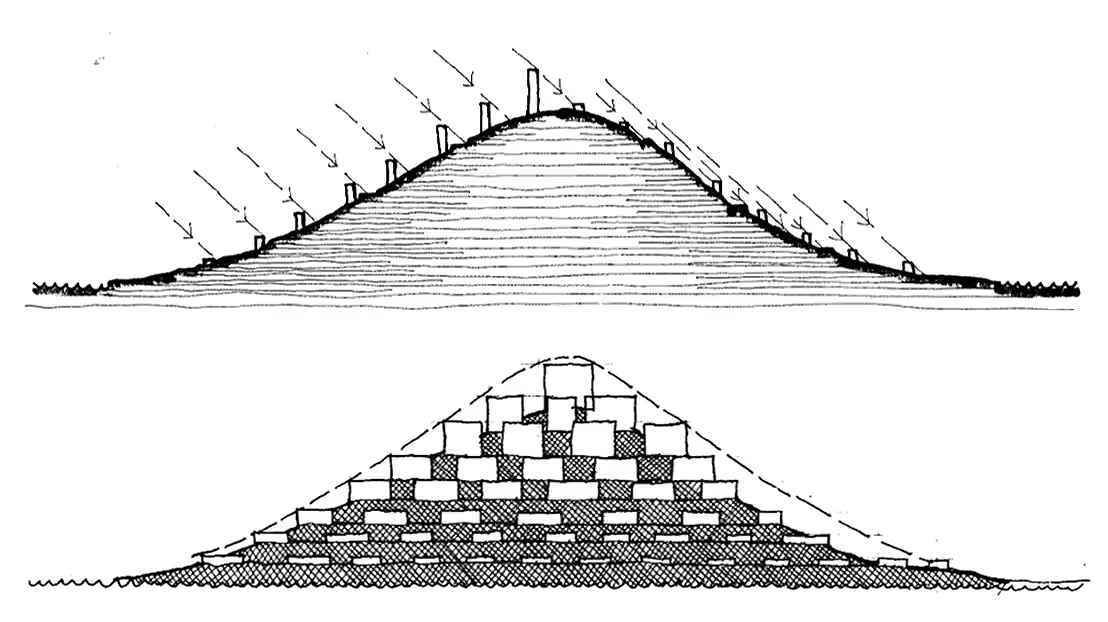
And then you get in town plans, you get the situation where you get a hilly city like Brisbane and it gets based on the Nullarbor. So your height above the ground, it's not a great drawing, but it used to be 8.5 metres here. It's now gone up to nine. But if you got a hilly slope, that means people dig in and the excavation situation, this little sketch up there is saying, if you're up there, you can just ... The relationship of one house to the other visually is the same.
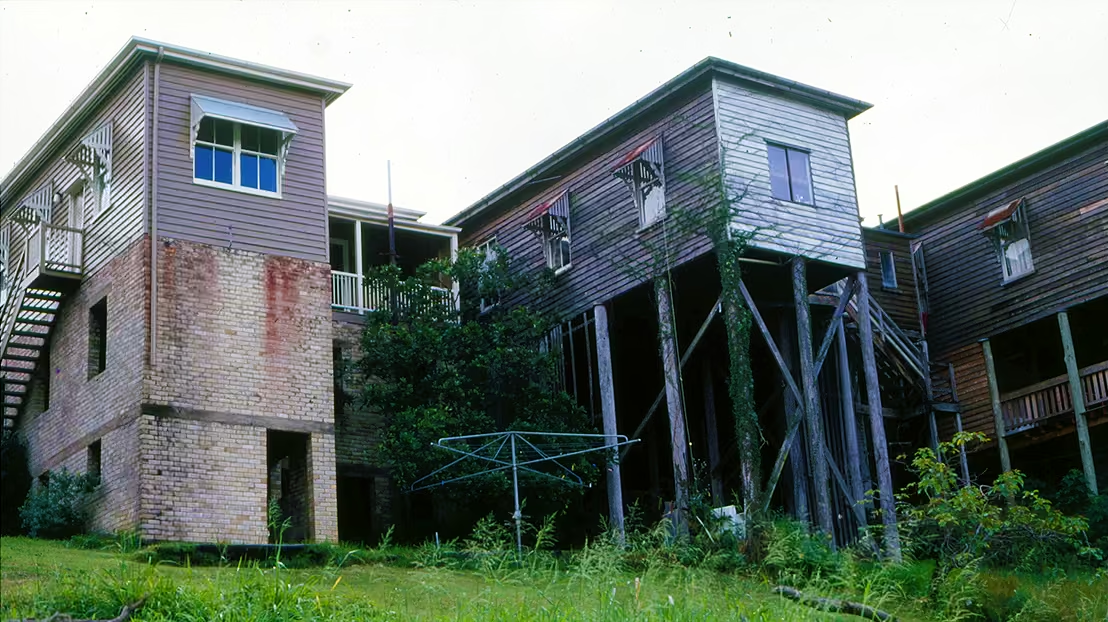
And so you had an 8.5 metre height limit in Brisbane, which is in recent years being extended to 9.5, but somehow the old fellas didn't take any notice of it on a steep side.
So these stumps must be getting up to close to eight metres or heaven knows how high they are, but they accepted and the council asked for a relationship with the footpath and so instead of having a house where you see them dug in the ground on it, you can't even see where to go. The old people used to put it up there and you got all this potential to extend underneath.
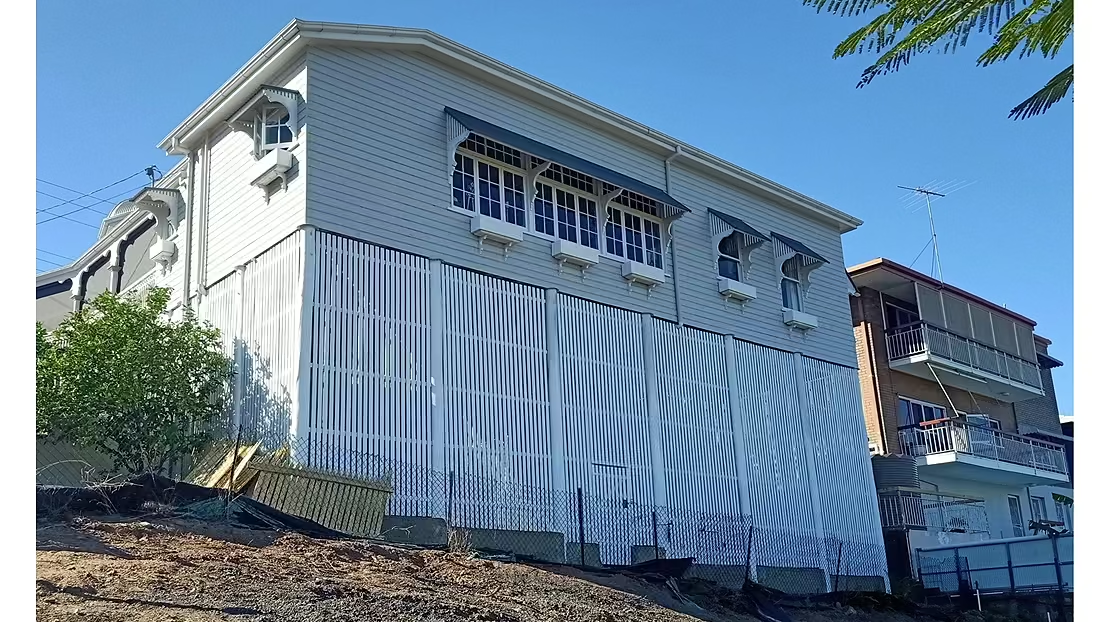
So same there. I mean, it's coming off Dornoch Terrace. Again, they're real killer windows for the kids there.
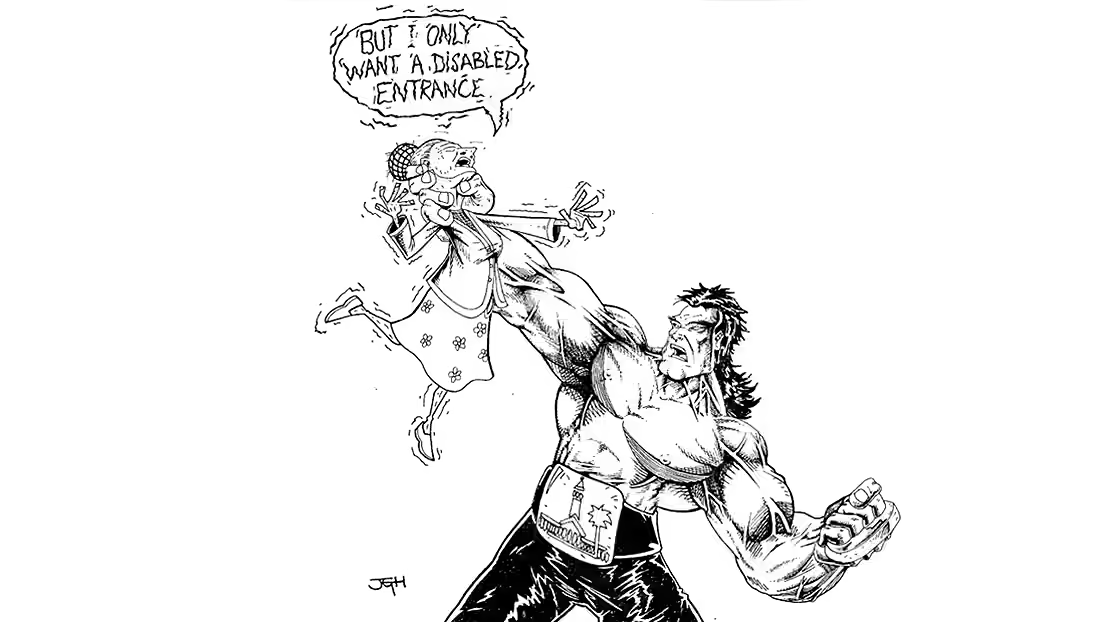
So I had my son do this cartoon and I thought the council and getting some simple things through is such a pain. So I've got some old grannies just saying, "But I only want a disabled entrance and the council's got knuckle dusters and everything there ready to belt the Jesus out of a ... " And the procedural thing that you have to go through to get approvals when it should be as of right within many areas.
And then of course you get flooding land and this was Kardoon was done when Tim Quinn was there and you may remember, what was his name, Alpet or something, engineer said before 2011 that they underestimated the flood situation by 30%. Then they all went into a headless chook behaviour. All the people was Tim Quinn and all these others and decided to say that, oh, it's all honky doory because it wasn't flooded.
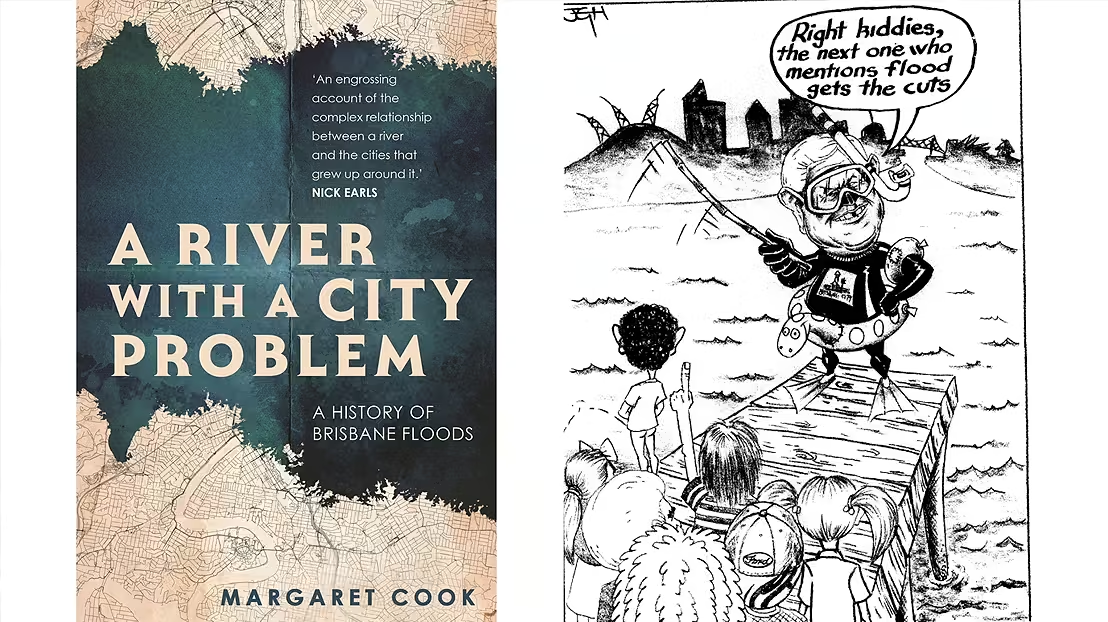
And Margaret Cook wrote a book called ... It is a great book and I think it's a correct thing to say about anything. It's not ... The river isn't the problem. We are the problem in what we do.
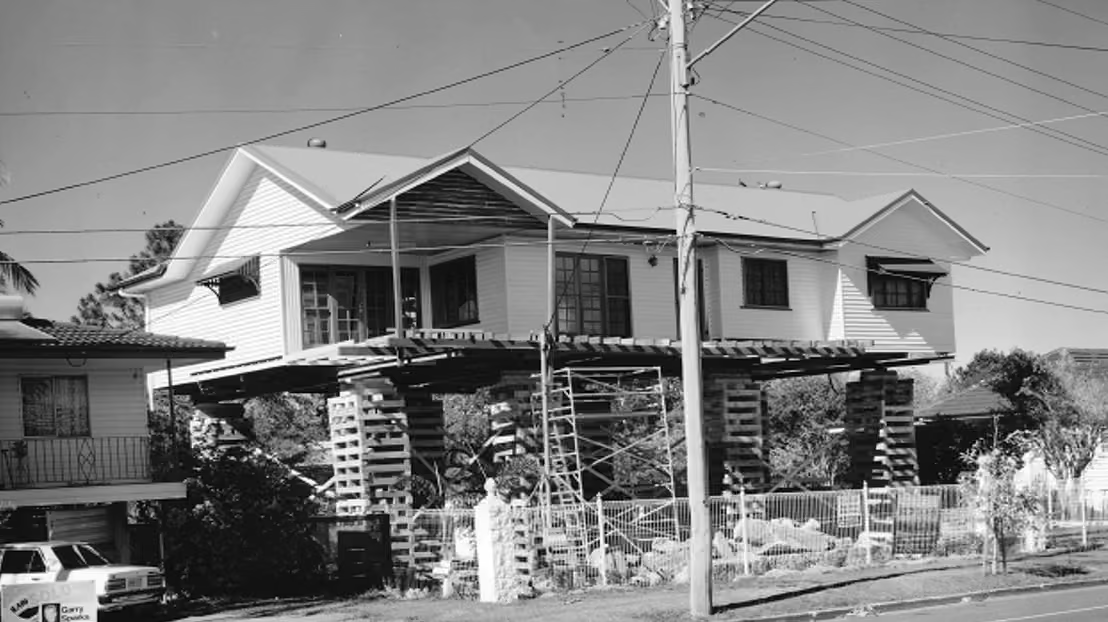
This house got flooded in 2019 and they elevated it and built under to get out of the flood. So anyway, the neighbours actually whinged at them and said they were all well to do. They're going for a view of a river which they couldn't achieve.
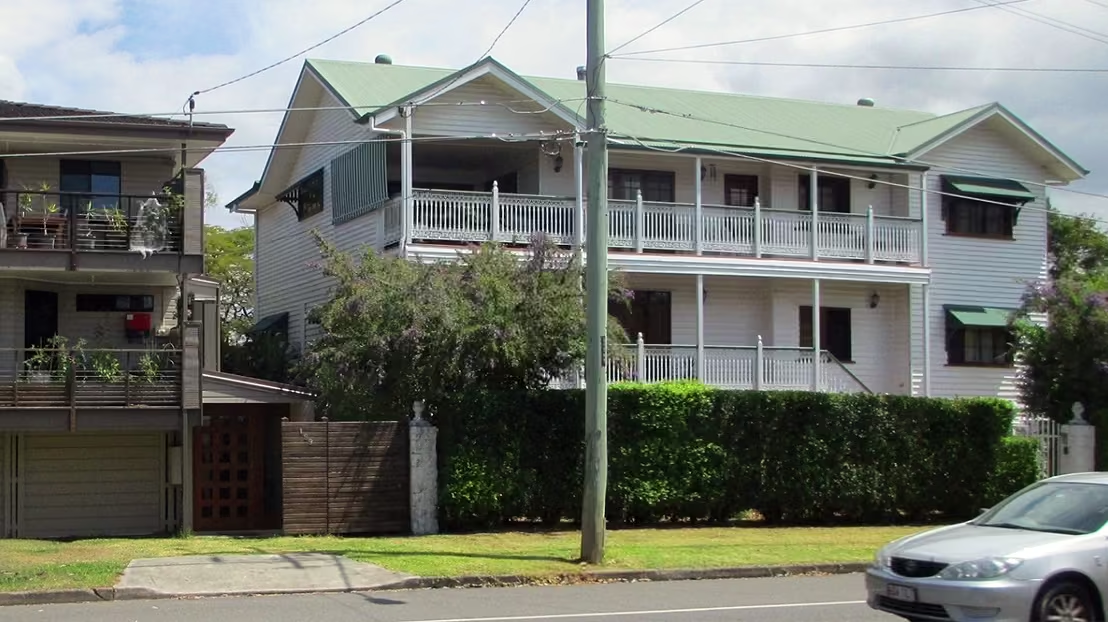
And then there it is after they did it up, but they got inundated in the floor up in 2022. So there should have been ... If you want to live there, you got to recognise the factors if that's what you want to do. One of the lovely things in Papa New Guinea, they actually built a bubble of goons. They didn't seem to have a problem to say we will build up enough.
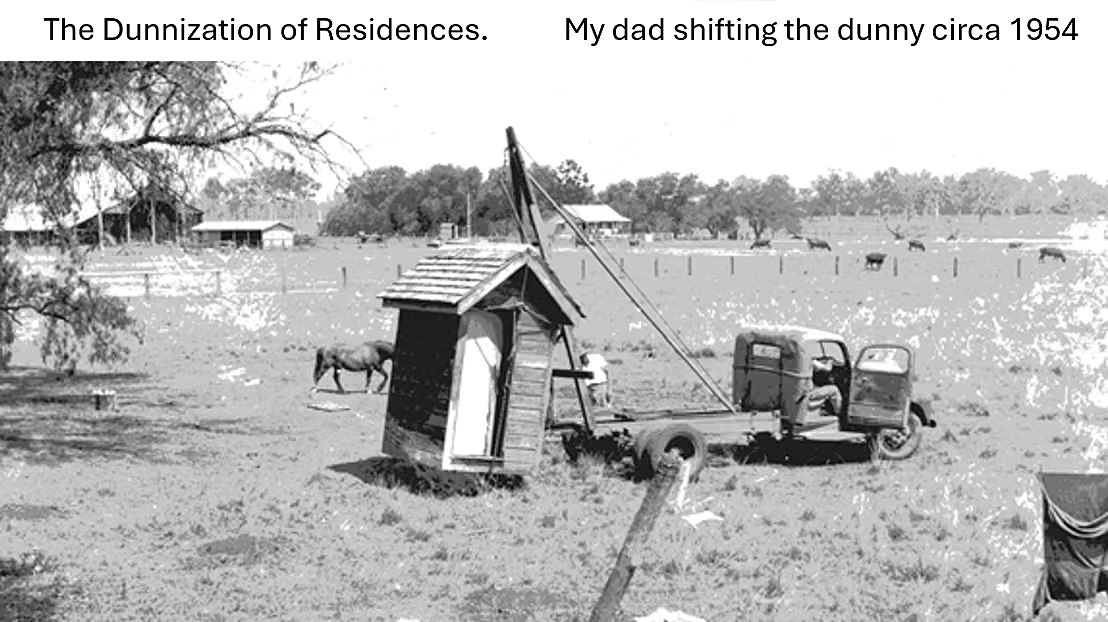
Then the other, I just have to put this in. This is my dad shipping the dunny in about 1954, and then I wrote an article called the Dunnization of Architecture.
I'm just so totally stunned with all of this real estate stuff where how many dunnies can one house have? And the article was based on, did we have the trots or did we have constipation? And I eventually came to the conclusion it had to be constipation because you wouldn't be there very long if you had the drops.
And yet many of us all started with the dunny out the back. In my case, you have to go down the stairs, walk across the paddock, and you might even trip across a AIS cow, which would then get rid of the reason why you were going there anyway.
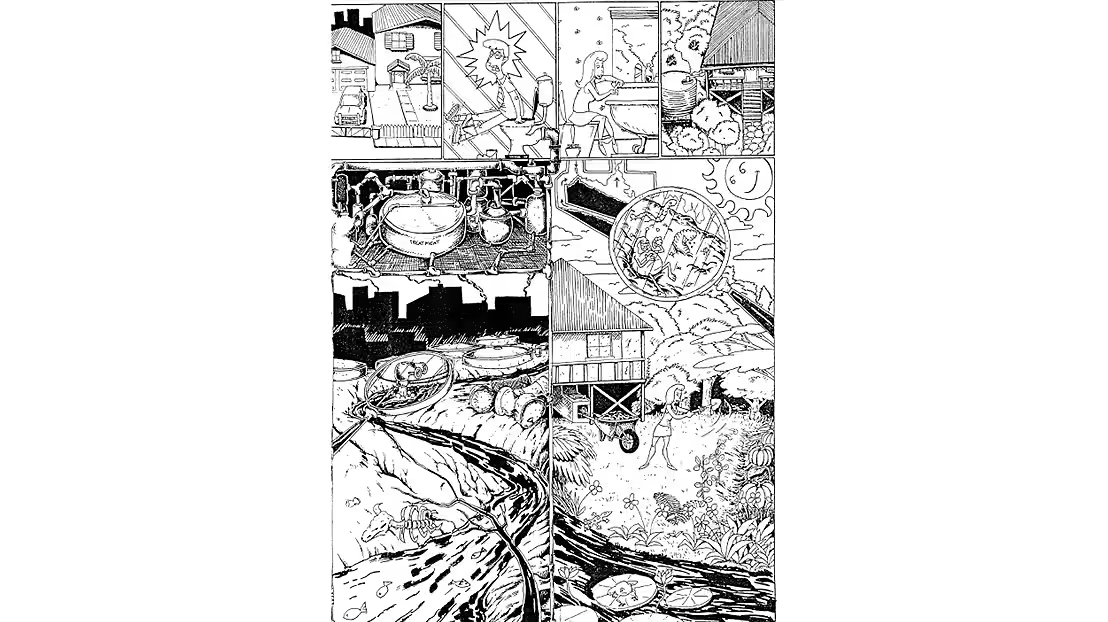
So I couldn't stop myself getting my son to draw up this cartoon because the council do things, if you remember, you was illegal to have a rainwater tank. And then when the drought thing come on, oh, you can now. So the reason given was mosquitoes. Everybody's going to get malaria, so we don't need that. And then I thought, well, if you were a greeny and you wanted to have a composting toilet because that's your drift, why wouldn't they allow you because the place is sewered? In actual fact, you should be able to make that choice.
If you wanted that choice, you'd look after it, you use it to grow the veggies. My son Josh obviously did it with, this is a fella constipated and a girl there with the composting toilets just very pleasantly doing her fingernails and she's living off a very healthy garden.
So then the council came up with what was called an overlooking situation, and this must have been in, what was it? 98, it got introduced where they said, "If you build a building, then you can look over the neighbor's yard, think you have to have overlooking devices on it. "
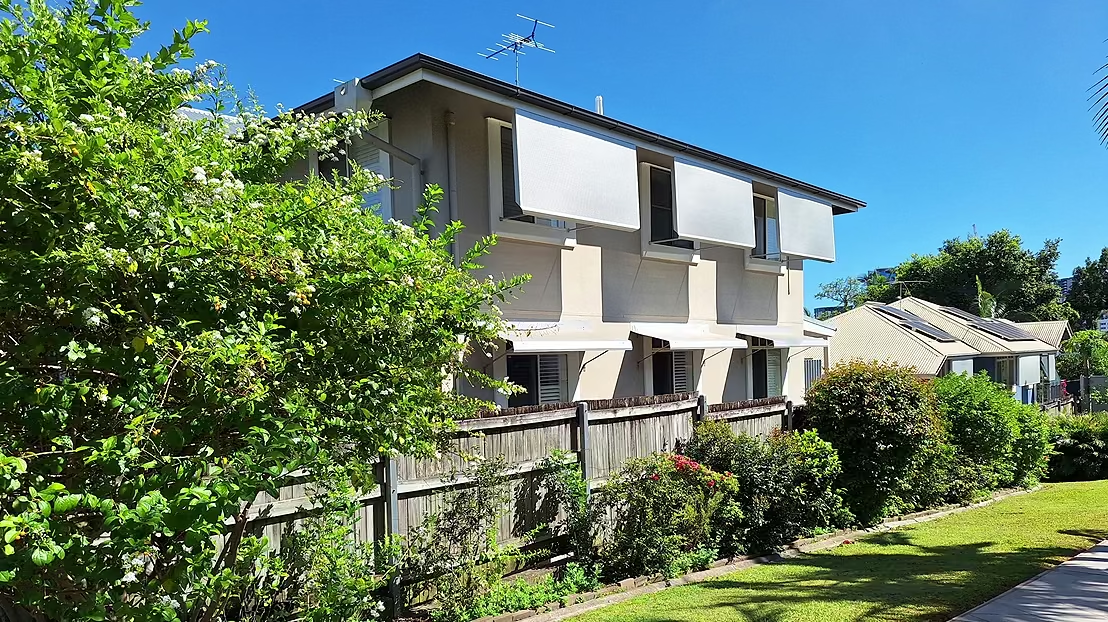
So this is a job I did after that in 2000, and I kept thinking to myself, "Why? Why? Can't you solve your own problem if you want to be private or you want to be ... " That's why I put boys and exhibitionists have rights too. And it came from going to visit a lady in Fernberg Road on a house, and then I was talking to her facing this way, and the other side of her was this large glass door, and I was trying to pay attention to her, and this lady with a centrefold figure nude slowly walks across in front of my eyes, and I was thinking, "Oh, right." And then about 10 years or 15 years after I faced up the stone, this lady, "Do you know what happened when I visited you?
And I told her, she said, "Oh, she's always doing that. " So I thought, well, exhibitionists have right too.
But when I did this one, I thought I'm sick of this because the person behind the screen can see you, but you can't see them looking. And I thought, "That's crazy." And then that's an eastern side, but if that was a northern side where I've got the best winter sun access, I think it's totally stupid in an environmental manner to have the ability to get the sun and the best climate for you.
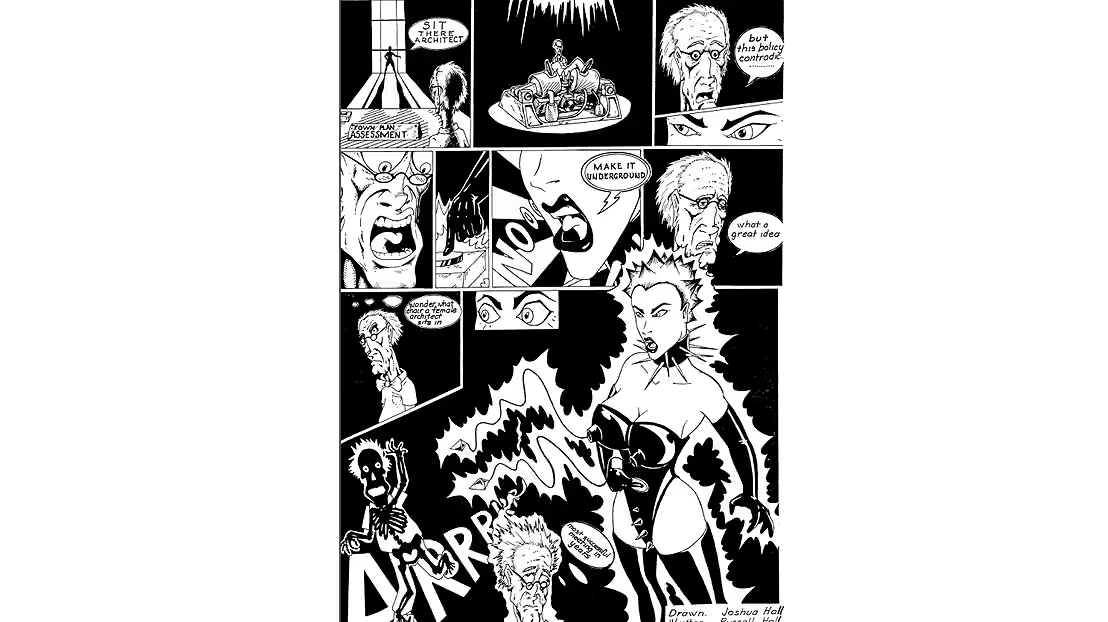
And this was caused by a female town planner giving me trouble. So I've got my son who drew this card for me where we ran into a real dominate female pound planner and it was supposed to take off a legendary architect called Lucabuzier and anyway, he cops it in the end and the device up there was the architect goes into the council office and he's got to put these knackers between this powerful ram.
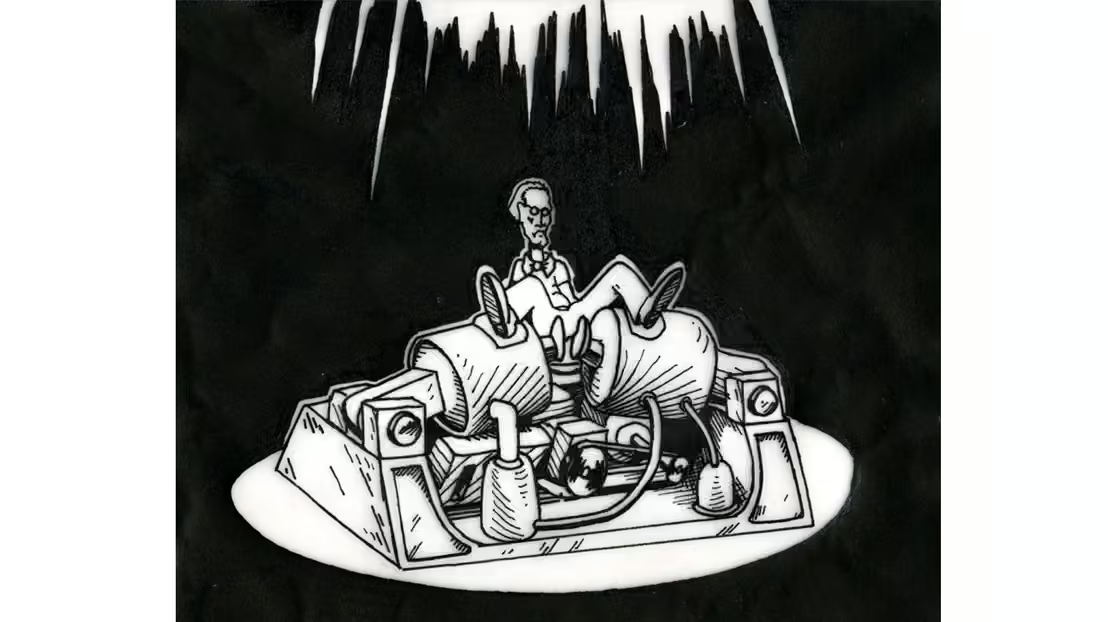
And she pushes the button when he says something disagreeable.
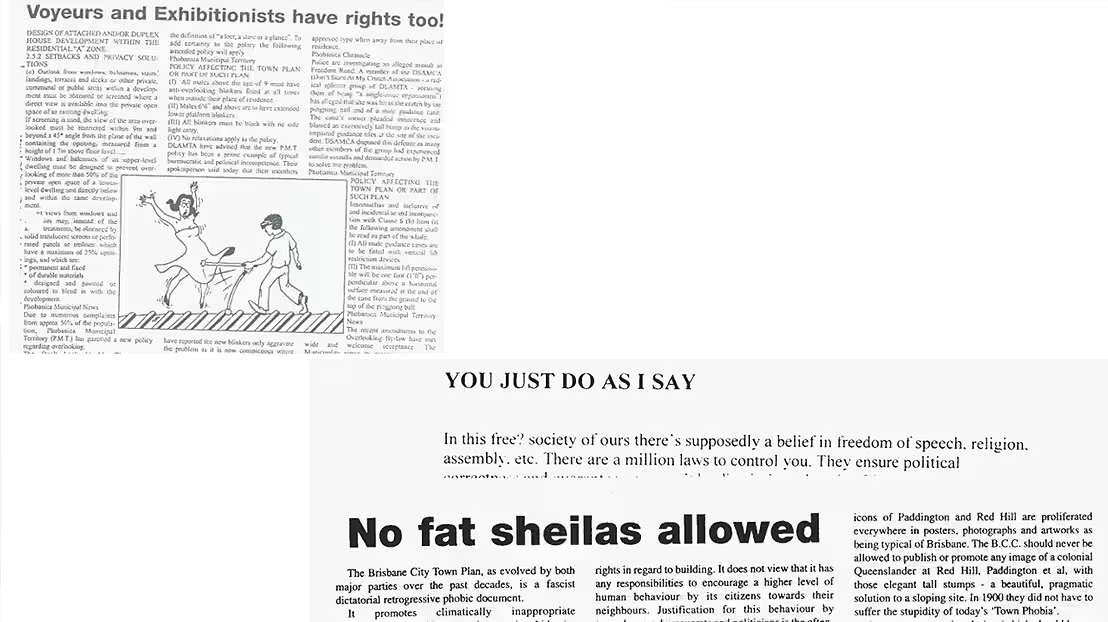
Then I wrote another article on all these controls, which was "no fat sheilas allowed", which was to do with that controlling when you've got a physical situation that you can't get out of, but you've got a rule that doesn't apply. The other thing that gets into me is private governments. It's not just the government. It's also developers who want to take out private covenants and say, "We will control what you are allowed to have. You are paying for the house. You bought the land, but we want post your purchase control over you because if you do what you want to do, we won't find that visually aesthetic, acceptable." And the best example of that, if you may remember when some lady was sued by the developer because she put a solar panels on the northern face of a house which happened to face the road, the government had just eventually bailed out the right of a developer to be able to do that.
That's just the north to doing that saying you can put your solar panels to gain the most, but is it acceptable that they have that right when we've got all these controls of the local government, the state government, and the federal government on what we can do? I don't think it is.
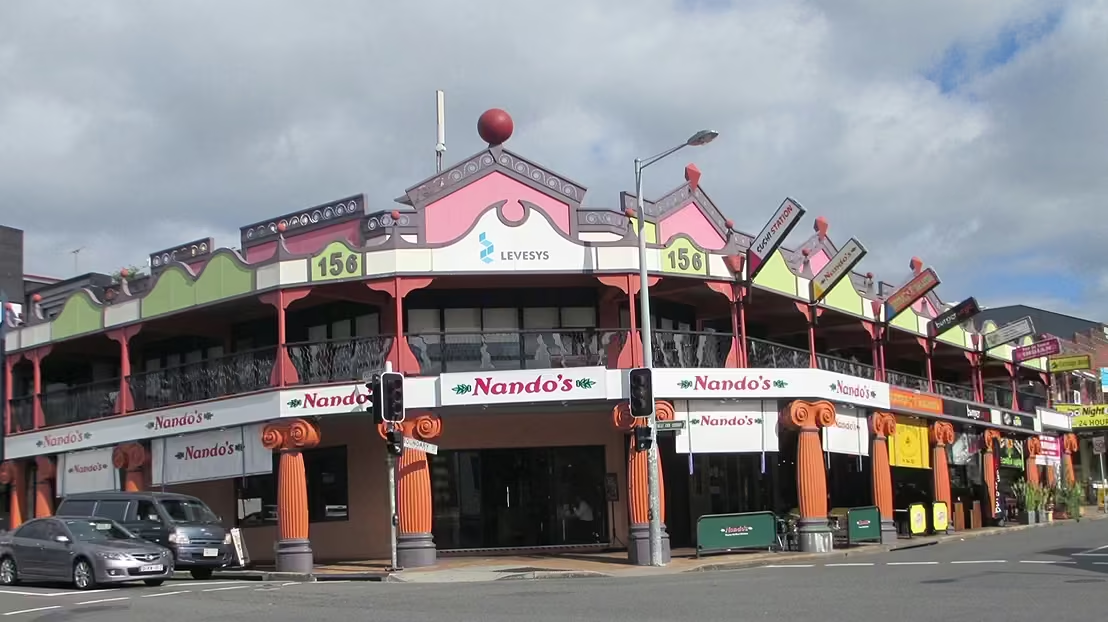
I did this building in West End, and then people didn't like it, lots of people. It was a refurbishment.
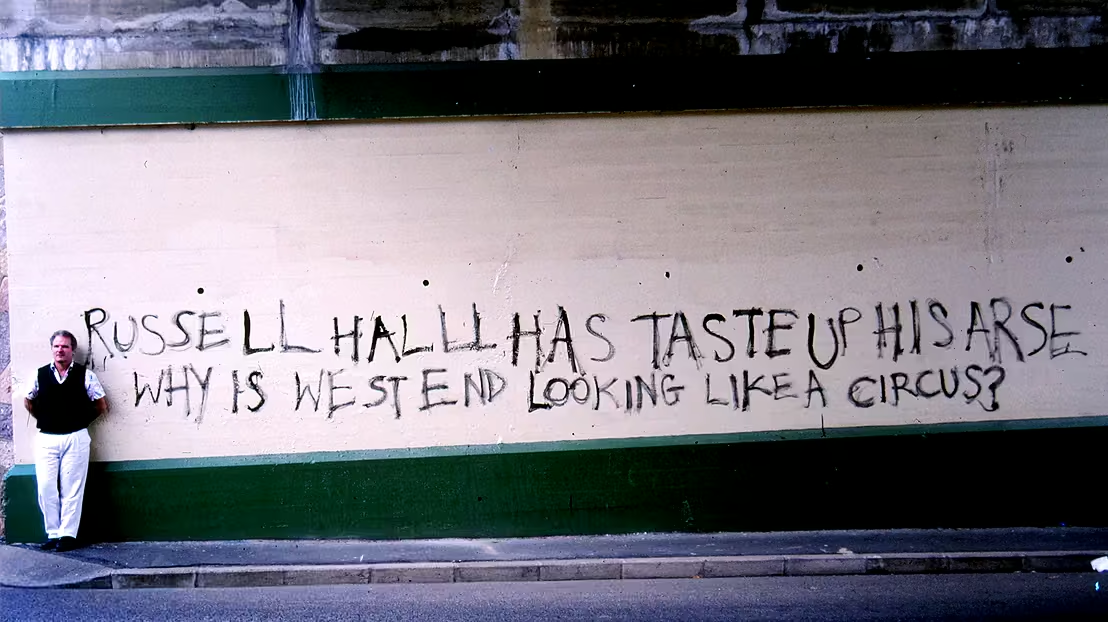
And then some graffiti artists decided that he'd have a critique of me, Russell Hall has tasted up his ass, "Why is West End looking like a circus?" Then I thought, "This is not a tag artist. This is something that's a bit literate." Put a question mark at the end, he was in a hurry. I got three Ls in hall and then I eventually thought I'm really proud of that because that's why I think the correct location for taste is.
It's not taste, it's the thing has to work.
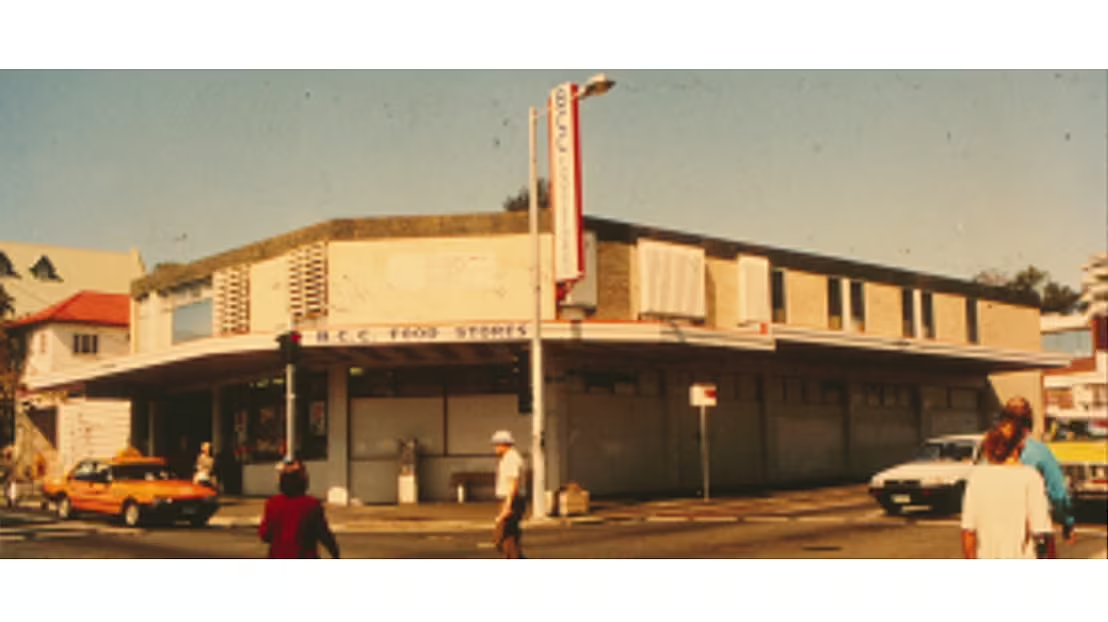
That was the original building. We just refurbished it.
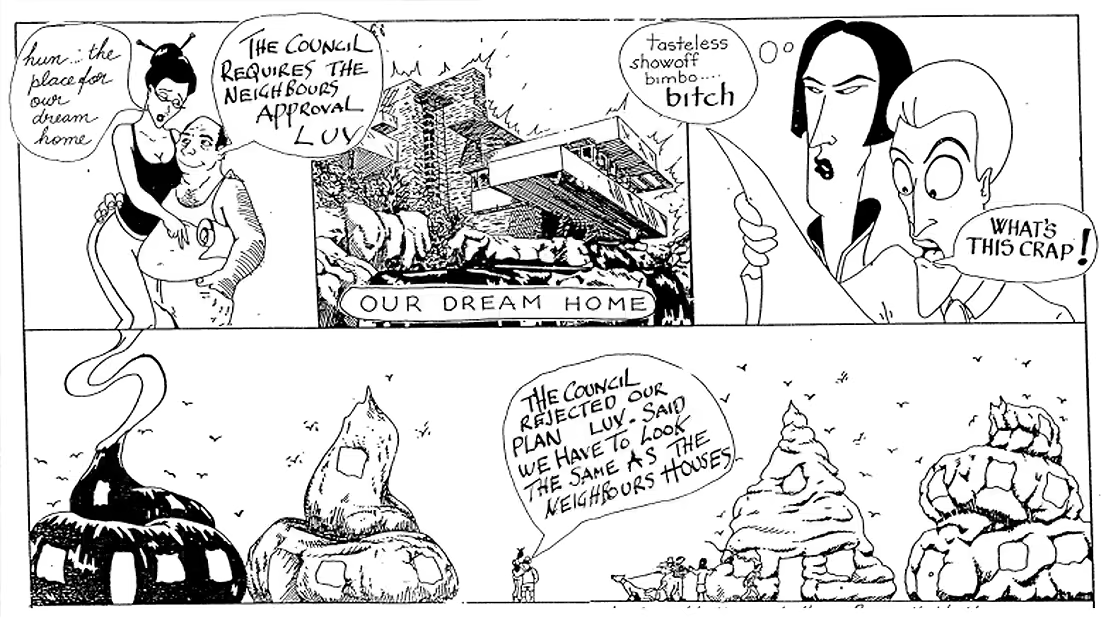
So I got my son to draw me another cartoon where he got this couple. I like the sort of wealthy guy with the beautiful young woman building the dream house, which is a knockoff of Frank Lloyd Wright's famous falling water and the neighbours objecting to it or the developer saying what you can happen and then the council rejected that we drew their houses like a heap of ship, you've got to look the same as us. And then you say to yourself, "How do you have yourself as a place of what are we aiming for if the place looks like anywhere in the world?"
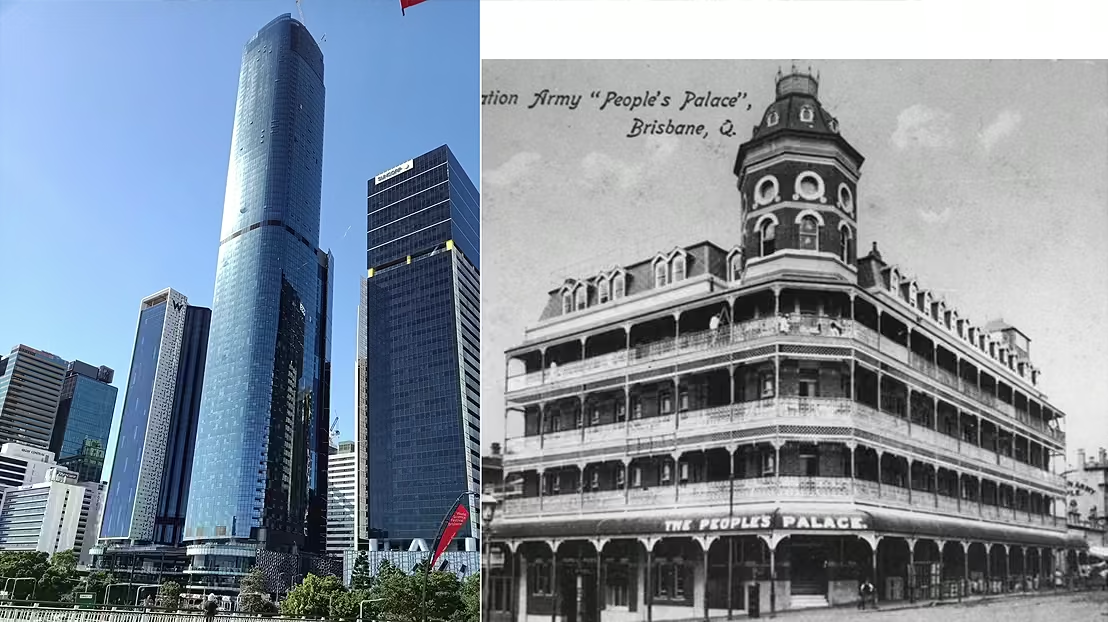
So you go from a situation like the People's Palace, which was solving a situation climatically in an un-air-conditioned world to this bare ass glass stuff and talk about the consumption of electricity.
I've recently done things on this and said they could actually put lots of solar panels at the correct angle up there and shade the building and generate their own electricity. So if it's done wrong often enough, it becomes right.
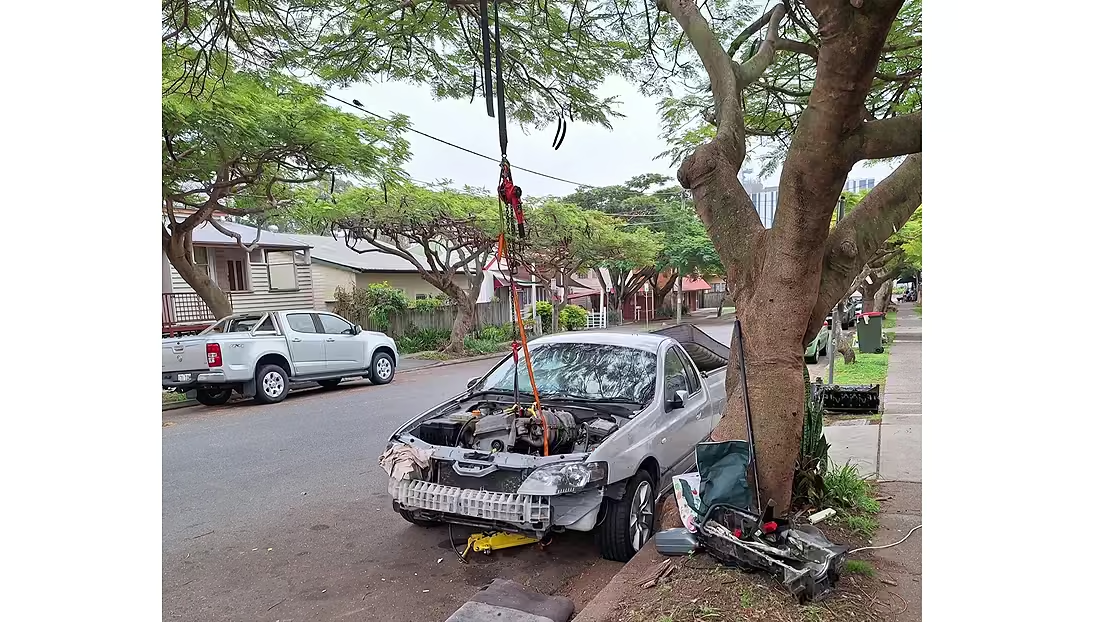
And then you get a situation like this in West End, and I thought, "Well, these people were living in tough times of people who dropped this car there." And I thought, right, how long before they got had by the coppers or the council and move out? They managed to get their car together, but I thought, "What's this bit about you can't have a place to make anything anymore? Is there something in our society where instead of all these dunnies, we actually have a workshop in a high rise building and I'm a fan of the sun. I would happily worship the sun." And then topography is again, they pay no attention to it in the town plan. Your height goes above the fall of the land or the land. And as I said before, it's based on the Nullarbor.
So if you're doing a major town plan and you wanted the people entertain the correct climate, which is how many people can face north, if you've got a north slope of a hill, you've got the northeast afternoon breeze and hot day, you would choose to say, "I'll have the highest buildings up the top of the hill, then I'd descend them down lower to the river." So most people get a view.
On the southern side, you'd put larger single lots because you don't get that winter sun as well. Well, that's trying to save that thing.
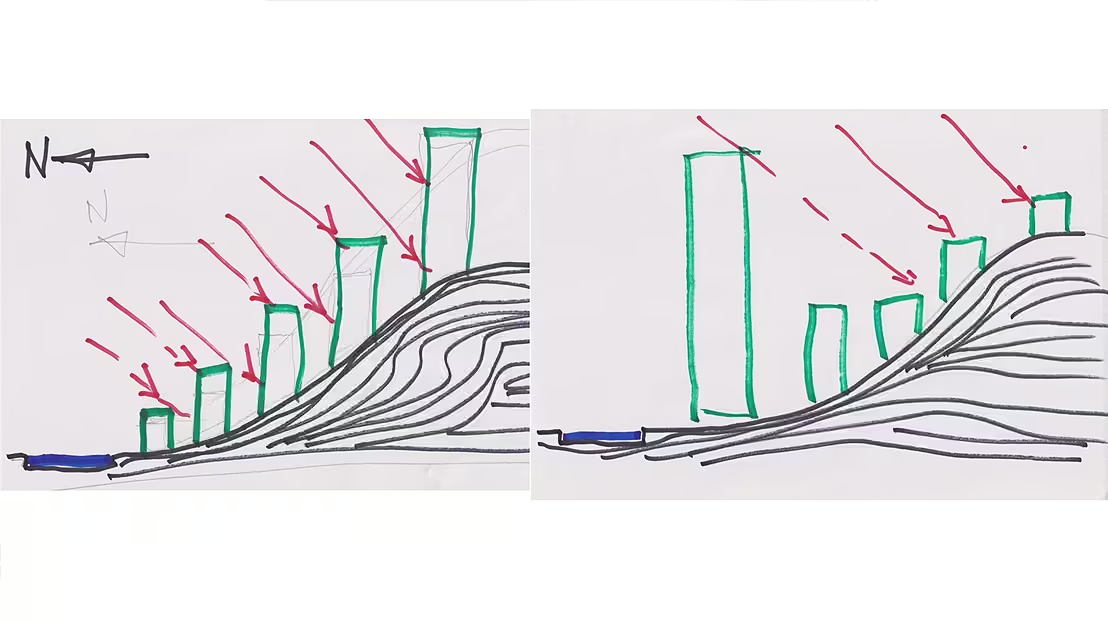
And then this occurs, as you're well aware, you get somebody wax a high rise because the development world, so that's where we can make the most money. We'll shove it in front of everybody else up the hill. It's sort of town planning by the money man only. It's not town planning by design for the best for all.
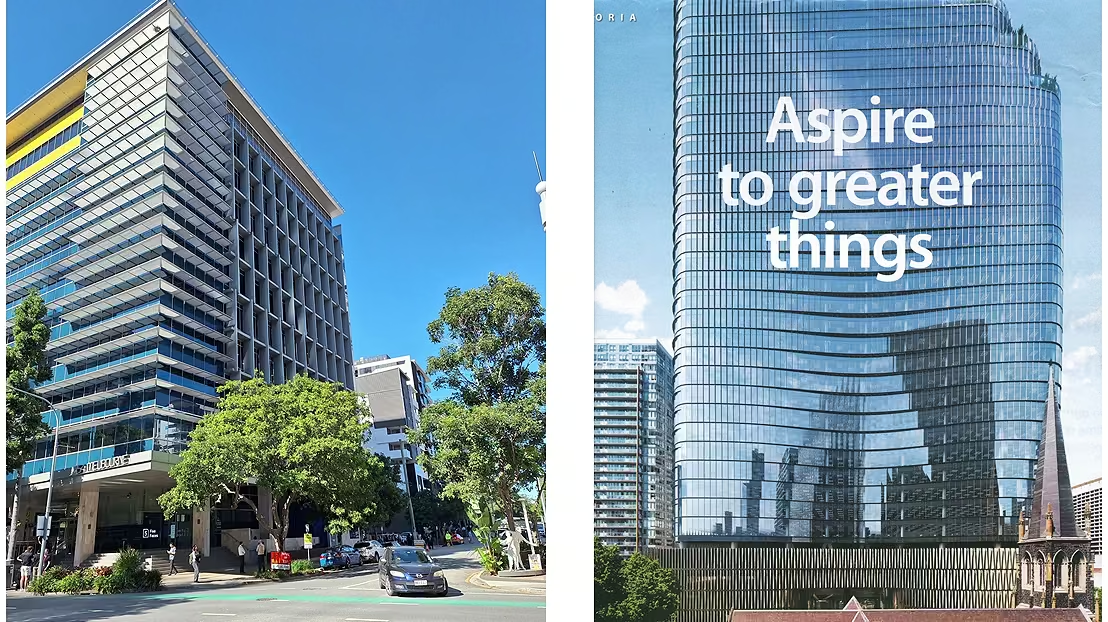
And I just put this up as an example. That's a building where somebody had to go to say you should try and sun control it to reduce your heat load on a building. This is a building aspire to greater things. Well, that's about as bad as you can get.
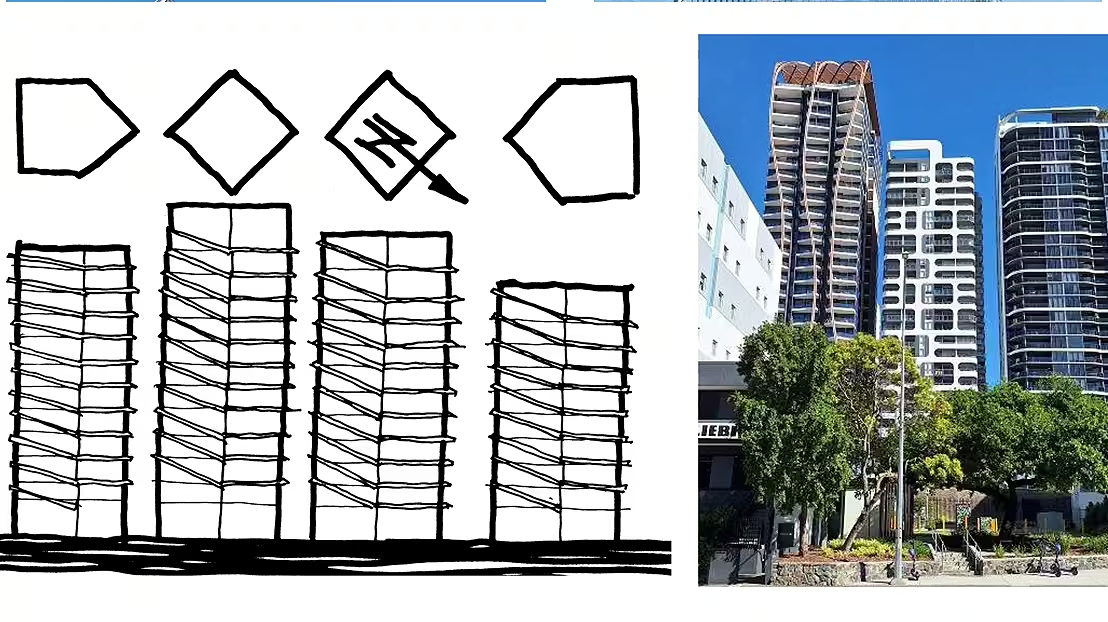
And then it also extends to why does the town plan allow one to shove against the other like that? It's totally got to be ratchet between there and there. And there's got to be ... I just do this little sketch to say, "Yes, can you do something else that maybe says you can have a view?"
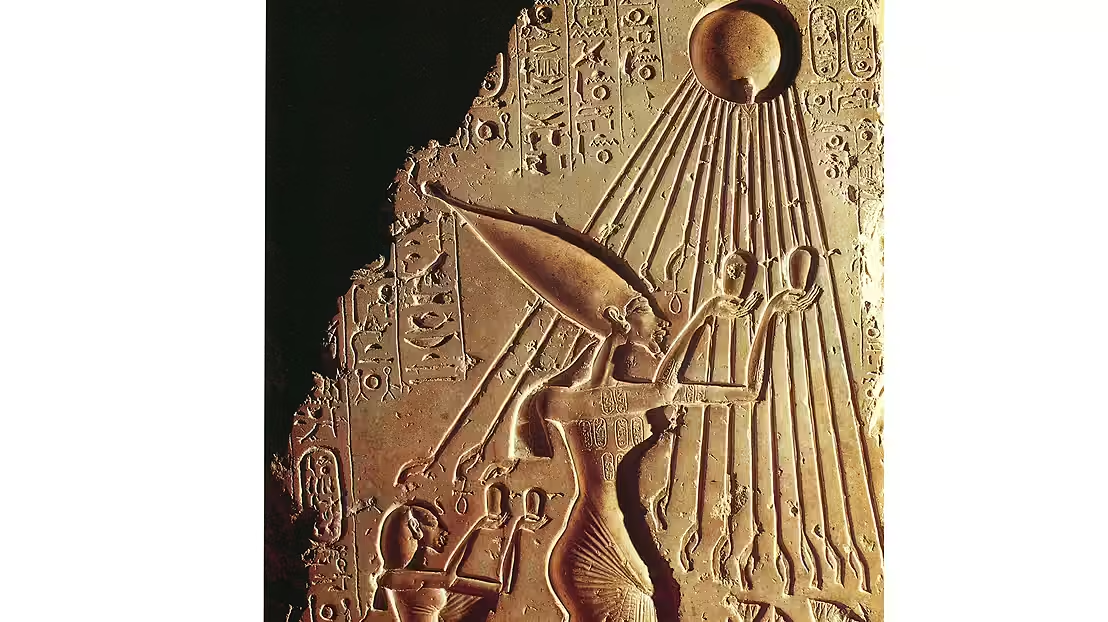
I put Akinat in there, sort of a hero of mine being a sun worshipper. And then I want to mention about the discrimination against men in the modern world today, if I'm allowed to. Here we got Queen Victoria up there in a full highest dimensions there. This is about true scale to scale.
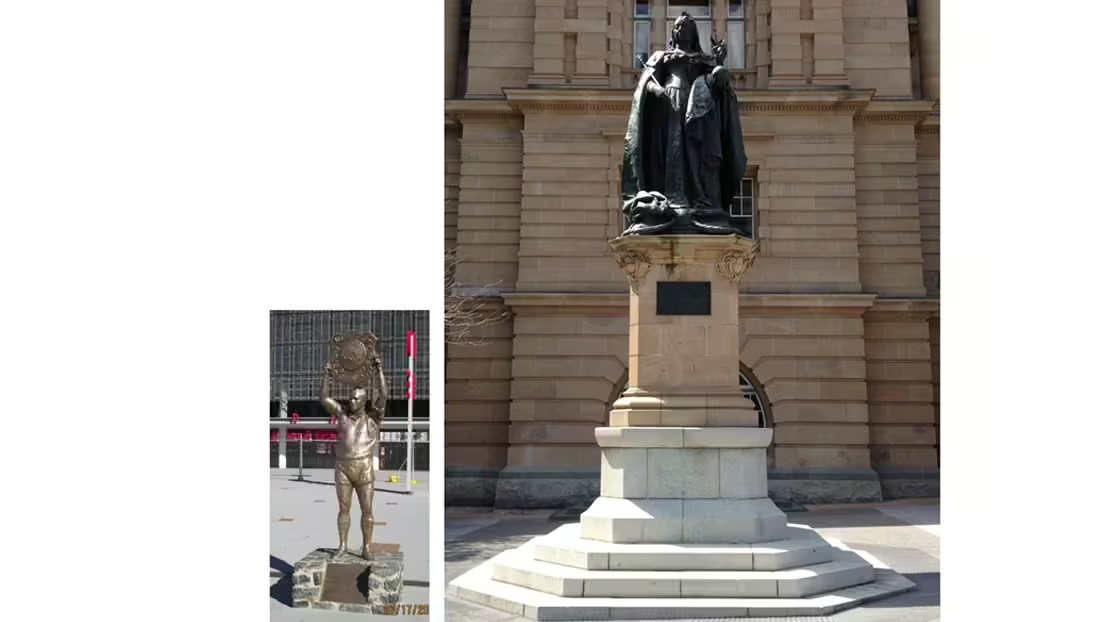
And here we've got the Emperor of Lang Park, King Wally, also in scale. Now, why is he so minute down there? We can't even get that right these days to say, if you got an emperor, you're going to do the same as Queen Victoria.
It's ridiculous. And then he's down that low and the bloody cockroaches just managed to paint in blue one time. It's wrong.
In digging up this stuff, the problems we face today are, this just happened to fall out of me looking for quotes. The problem we face today are there because the people who work for a living are outnumbered by those who vote for a living. But I have architects quote many things. You've got Louis Sullivan says, "Form follows function." You've got Lukabizier in the modernist movement saying a machine is a house for living in. You've got me Spandaroa saying less is more. I'd like to owe him money. But this quote came from a butcher to me, which I'm now living by. It says, "Beauty is only skin deep, but ugliness goes to the bone."
Thank you.